To talk about weather in English we say "It is…" or "It's…" — never "There is hot" or "The weather is raining". Always use It.


























Exercises
Practice what you've just learned.
Exercise 1 — Weather Around the World
Think about climates in different parts of the world.
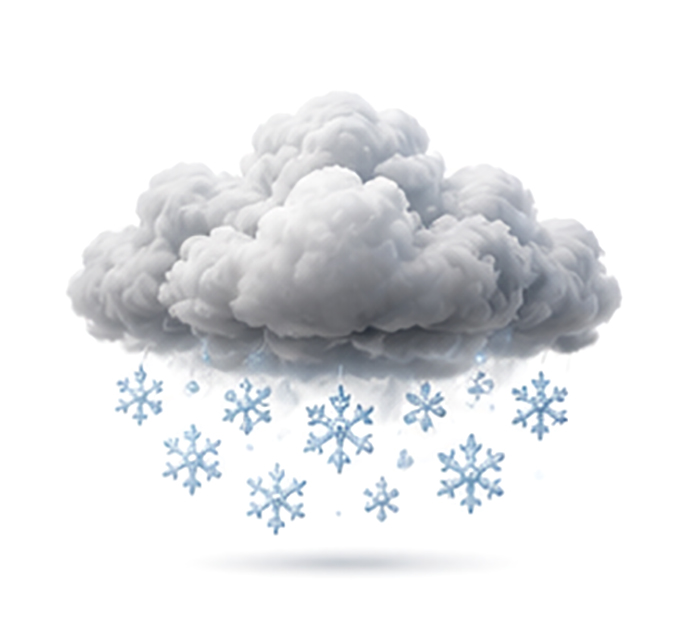
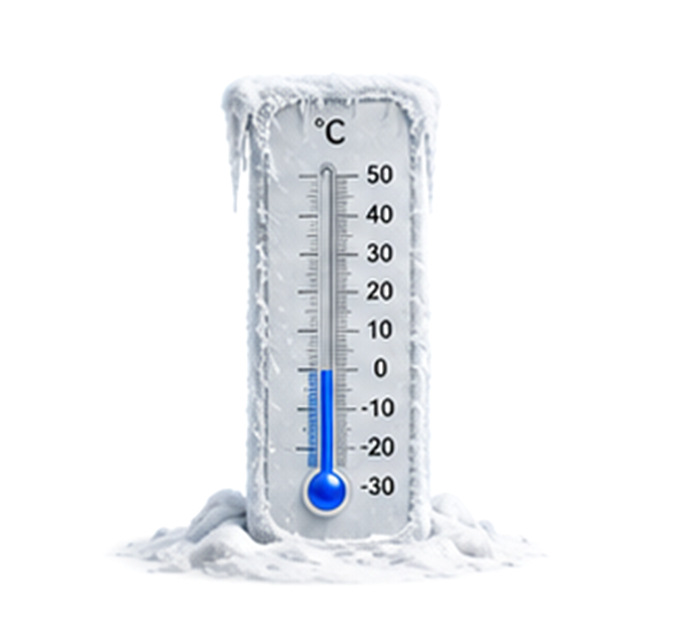
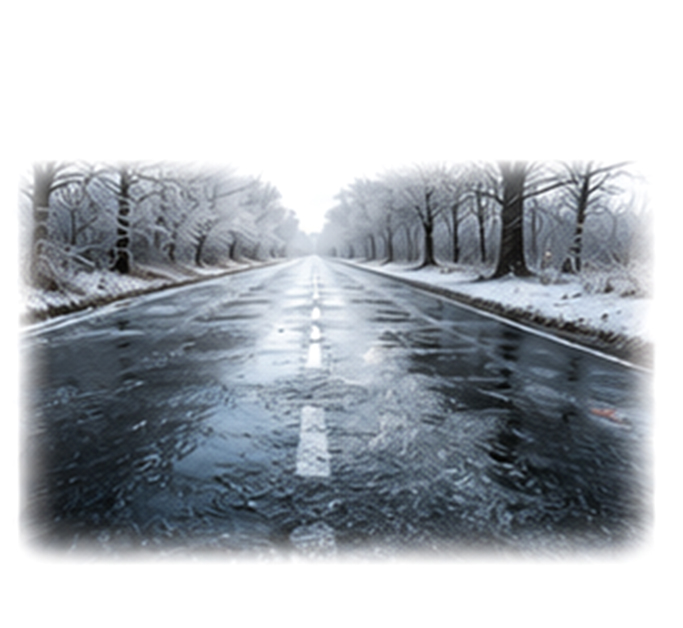
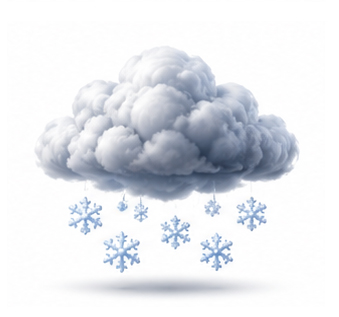
1. What weather do we usually have in winter, in cold climates?
2. What weather is never observed in the Sahara Desert?
3. Which weather phenomenon would you never experience in regions along the tropics?
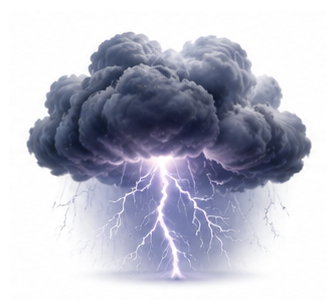
4. Which of these is most likely near the coast during hurricane season?
5. What's the weather usually like in a desert at night?
6. What's the weather typically like in a rainforest?
Exercise 2 — Quick Context Association
Simple questions about everyday logic.
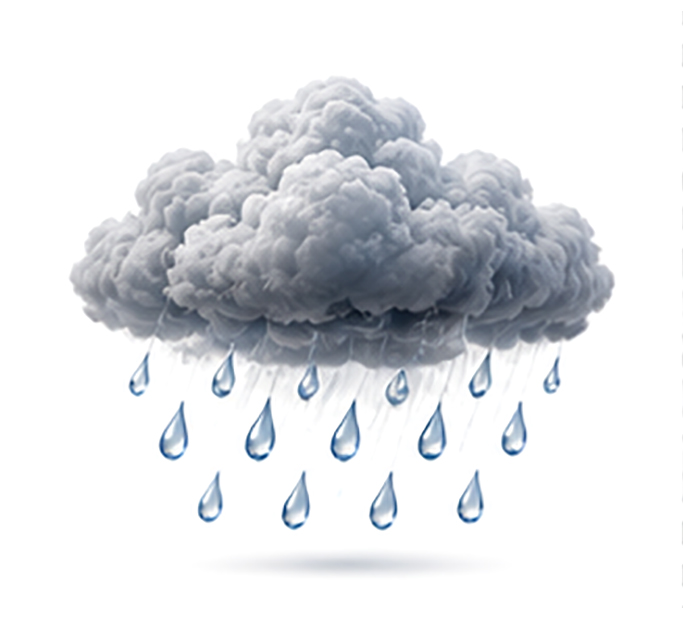
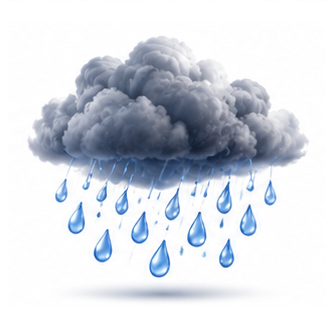
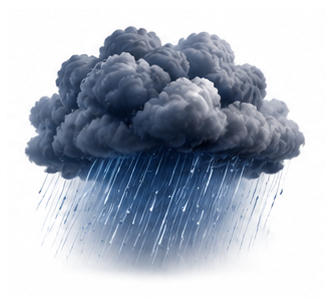
1. You see people carrying umbrellas and closing their windows. What's the weather like?
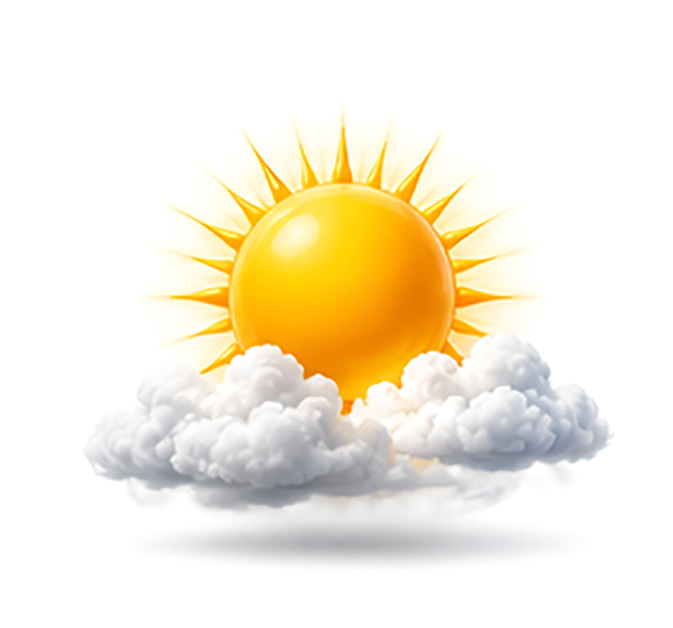
2. Everyone at the beach is wearing sunscreen and sunglasses. What's the weather like?
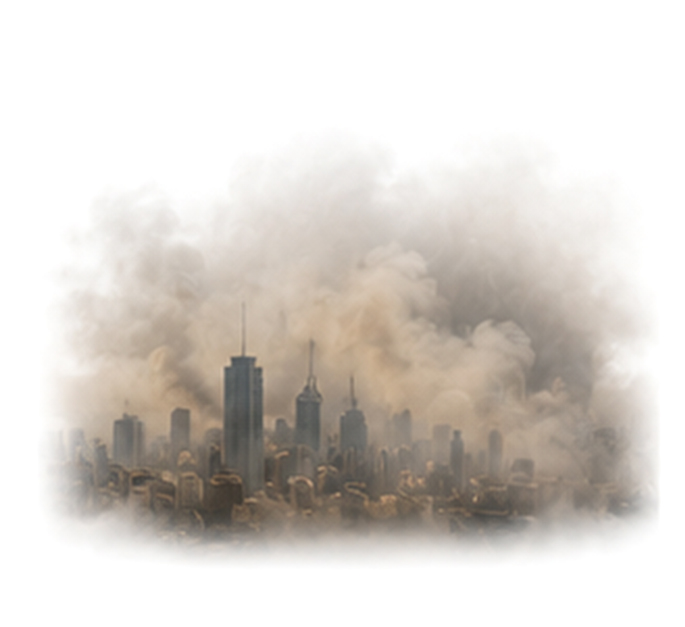
3. You can't see the road clearly, and cars have their headlights on in the middle of the day. What's the weather like?
4. I need an umbrella today. What's the weather like?
5. Let's go to the beach! It is ________ and ________.
6. Wear a warm jacket and a hat. It's ________.