To talk about jobs in English we say "I am a carpenter" or "She is a nurse". Use a/an before the job: "He is an architect" (vowel sound → an).

A tradesperson who builds and repairs things made of wood.

A tradesperson who builds walls using bricks.

A tradesperson who builds with stone or brick.

A tradesperson who installs and repairs water pipes.

A tradesperson who installs and repairs electrical systems.

A tradesperson who builds and repairs roofs.

A tradesperson who joins metal pieces using heat.

A craftsperson who shapes metal by hand, using heat.

A tradesperson who paints walls, houses, and buildings.

A tradesperson who covers walls with plaster.

A tradesperson who installs tiles on floors and walls.

A tradesperson who fits and repairs glass windows.

A tradesperson who makes and repairs locks and keys.

A tradesperson who operates machines to shape metal parts.

A tradesperson who repairs and maintains vehicle engines.

A craftsperson who makes and alters clothes.

A tradesperson who makes or repairs shoes.

A craftsperson who makes pots and dishes out of clay.

A craftsperson who shapes melted glass by blowing air into it.

A craftsperson who makes fabric by weaving threads together.

A tradesperson who builds furniture such as tables and chairs.

A craftsperson who carves designs and shapes into wood.

A craftsperson who cuts designs into metal, wood, or glass.

A tradesperson who covers furniture with fabric or leather padding.

A craftsperson who binds pages together to make books.

A craftsperson who makes goods out of leather.

A craftsperson who makes saddles and other leather horse gear.

A craftsperson who builds and repairs watches.

A craftsperson who makes and sells jewelry.

A tradesperson who shapes and repairs metal objects.

A tradesperson who builds and repairs buildings and structures.

A worker who makes products in a factory.

A worker who puts together parts to make products.

A worker who operates machines in a factory or workshop.

A worker who drives a forklift to move heavy goods.

A worker who operates a crane to lift heavy objects.

A worker who digs coal, metals, or minerals from the ground.

A worker who cuts down trees for wood.

A worker who loads and unloads ships at a dock.

A worker who stores and moves goods in a warehouse.

A person who does small repairs and jobs around a house.

A worker who builds and repairs roads.

A worker who lays stone or asphalt to make surfaces.

A worker who tears down buildings and structures.

A tradesperson who builds scaffolding for construction work.

A worker who repairs and maintains buildings or equipment.

A skilled worker who repairs or maintains equipment.

A worker who uses gas or chemicals to kill pests.

A worker who removes insects and other pests from buildings.

A worker who cleans the windows of buildings.

A person who bakes bread, cakes, and pastries.

A tradesperson who prepares and sells meat.

A person who catches fish for a living.

A person who works on a farm doing manual labor.

A worker who grows and tends plants and gardens.

A person who arranges and sells flowers.

A worker who maintains parks or sports grounds.

A worker who collects and removes household trash.

A worker who cleans buildings or homes.

A worker who cleans and maintains a building.

A driver who transports goods in a large truck.

A driver who delivers goods to customers.

A person who delivers messages or packages.

A driver who transports passengers for a fare.

A driver who transports passengers in a bus.

A worker who drives and controls a train.

A worker who drives a tram on city streets.

A driver who tows broken-down or illegally parked vehicles.

A person who sells goods or food on the street.

A person who owns and runs a small store.

An artist who draws permanent designs on people's skin.

A person who makes holes in skin for jewelry.

A worker who spins signs to advertise a business.

A person who preserves dead bodies for funerals.

A worker who maintains and looks after a cemetery.

A tradesperson who installs and connects pipe systems.

A tradesperson who installs and maintains factory machinery.

A tradesperson who builds and repairs large metal tanks.

A tradesperson who fits and cares for horseshoes.

A tradesperson who builds and carves with stone.

A tradesperson who installs insulation in buildings.

A tradesperson who installs and finishes drywall.

A professional who manages financial records.

A professional who records a company's financial transactions.

A professional who checks financial records for accuracy.

A professional who manages accounts and services at a bank.

A professional who studies how money and resources move in society.

A professional who gives legal advice and represents clients.

A professional who designs buildings.

A professional who designs, builds, or repairs machines and structures.

A professional who gives expert advice to organizations.

A professional who oversees a team or department.

A person who manages the daily work of an office.

An employee who handles correspondence and office tasks.

A senior professional who makes important business decisions.

A professional who studies data to give advice or reports.

A person who starts and runs their own business.

A professional who buys and sells assets for clients.

A professional who buys and sells stocks or other assets.

A professional who helps clients plan their finances.

An agent who helps people buy, sell, or rent property.

A professional who finds and hires new employees.

A person who owns and runs a company.

A professional who sells insurance policies to clients.

A person who works at a desk in an office.

A professional who studies a subject to discover new facts.

A specialist who collects and analyzes numerical data.

A professional who calculates risk using statistics.

A professional who advises clients on tax matters.

A person who runs an auction and sells items to bidders.

A professional who translates spoken language from one language to another in real time.

A professional who buys and sells stocks for clients.

An employee who greets visitors and answers calls at an office.

A professional who cuts and styles hair.

A professional who styles and designs hair.

A professional who gives beauty treatments.

A person who serves food and drinks in a restaurant — "waiter" is a man, "waitress" is a woman.

A person who cares for a sick, elderly, or disabled person.

A professional who helps people cope with social and personal problems.

A worker who takes care of young children.

A worker who handles payments in a store.

A worker who cleans rooms in a home or hotel.

A worker who cleans and tidies rooms.

An employee who helps customers in a store.

A worker who gives customers advice and support.

An agent who answers customer calls for a company.

A healthcare worker who helps a dentist during treatment.

A healthcare worker who helps nurses care for patients.

A private teacher who helps one student or a small group.

A professional who manages a library and helps people find books.

A person who is paid to take care of children, either regularly in their home (nanny) or for a short time (babysitter).

An employee who manages a person's schedule and errands.

A trainer who helps people exercise and get fit.

A worker who helps customers and sells goods in a store.

A hotel worker who helps guests with requests and information.

A male servant who manages a household's staff.

A worker who parks cars for guests.

A person who greets visitors and guards a building's entrance.

A worker who carries luggage or goods for travelers.

A person who walks dogs for their owners.

A doctor who treats common illnesses for patients of all ages.

A medical professional who diagnoses and treats illness.

A doctor who performs operations to treat injuries or illness.

A doctor who treats problems with teeth and gums.

A professional who prepares and dispenses medicines.

A healthcare professional who cares for sick or injured people.

A healthcare professional who gives emergency medical care.

A professional who studies and treats the human mind and behavior.
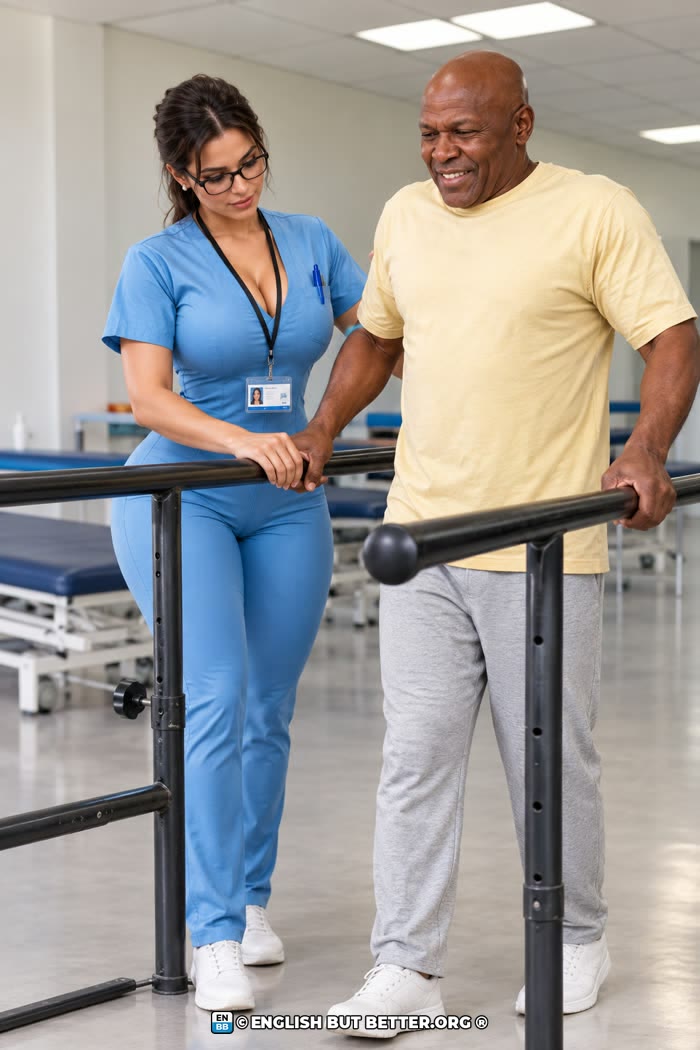
A healthcare professional who treats injuries with physical exercises.

A doctor who treats sick or injured animals.

A healthcare professional who helps deliver babies.

A doctor who treats diseases of the heart.

A doctor who treats conditions of the skin.

A doctor who treats infants, children, and teenagers.

A doctor who treats disorders of the nervous system.

A doctor who diagnoses and treats cancer.

A doctor who diagnoses and treats mental illness.

A doctor who treats diseases and disorders of the eyes.
A doctor who uses medical images to diagnose illness.
A doctor who manages pain and consciousness during surgery.
A doctor who studies the causes and effects of disease.
A healthcare professional who takes medical images like X-rays.
A healthcare professional who performs ultrasound scans.
A therapist who helps people perform daily life activities.
A therapist who helps people with speech and language problems.
A professional who helps people recover from illness or distress.
A healthcare worker who helps nurses care for patients.
A doctor who examines dead bodies to find the cause of death.
A worker who prepares and stores bodies in a morgue.
A person who serves in an army.
An officer who enforces the law and protects people.
A law enforcement officer who works for and assists a sheriff, especially at the county level (US).
A person trained to put out fires and rescue people.
A soldier trained to fight on land and at sea.
A person who leads soldiers in the armed forces.
A pilot who flies aircraft for the armed forces.
A pilot who flies aircraft for the navy.
A soldier who drives or operates a military tank.
A soldier trained to shoot targets accurately from far away.
A soldier trained to jump from aircraft by parachute.
A soldier who fights for pay rather than a country.
A soldier trained to dive underwater for military missions.
A soldier who gives medical care to injured troops.
A soldier who builds and repairs structures for the military.
An investigator who solves crimes.
A police officer who directs and controls traffic.
A police officer who patrols on a motorcycle.
A police officer trained for dangerous, high-risk operations.
A person hired to protect someone from danger.
A person who protects a building or property from danger.
A person hired privately to investigate matters or people.
An officer who guards and supervises prisoners.
An officer who controls who enters and leaves a country.
An officer who patrols the coast to help ships and enforce laws.
A trained person who watches swimmers and prevents drowning.
A person who saves people from danger.
A worker who finds and saves people in emergencies.
A person who sends help to callers during an emergency.
An elected officer who enforces the law in a county.
An officer who checks goods and travelers entering a country.
An officer who protects and manages a park.
An officer who protects wildlife and enforces hunting laws.
An officer who protects wild animals and their habitats.
A firefighter who puts out fires in forests and wild land.
A person who is paid to capture criminals or fugitives.
An officer who gathers and analyzes secret information.
A soldier trained for dangerous and secret military missions.
A soldier who builds or destroys structures during combat.
A person who illegally hunts or catches wild animals.
A person who catches wild animals for fur or food.
A guard who watches over a place at night.
A person who creates paintings, drawings, or other artworks.
An artist who creates three-dimensional works of art.
An artist who creates drawings for books, magazines, or ads.
An artist who takes pictures using a camera.
A designer who creates visual images for print or digital media.
A designer who creates clothing and accessories.
A designer who plans and decorates the inside of buildings.
A designer who creates the shape and function of manufactured products.
An artist who draws cartoons or comic strips.

A performer who plays characters in films or plays.
A performer who moves to music in a skilled and expressive way.
A senior professional who oversees a company or department.
A person who makes films or movies.
A professional who controls the camera and lighting for a film.
A professional who cuts and arranges footage to make a film.
An artist who creates moving images for films or games.
An artist who creates special visual effects for films.
A designer who creates clothing for actors and performers.
A designer who creates the scenery for plays, films, or shows.
An artist who applies makeup to performers for a role.
A professional who oversees the visual style of a project.
A performer who tells jokes and makes people laugh.
A performer who entertains people with tricks and illusions.
A performer who does difficult gymnastic movements and tricks.
A performer who keeps several objects moving in the air at once.
A performer who controls puppets during a show.
A performer who does dangerous physical acts in films or shows.
A performer who entertains audiences with circus acts.
An actor who provides voices for animated characters or games.
A person who writes books, articles, or other texts.
A person who writes a book or other original work.
A writer who writes long fictional stories called novels.
A writer who creates poems.
A writer who writes scripts for plays.
A writer who writes scripts for movies or TV shows.
A writer who creates text for advertisements.
A person who reviews and improves written content before publishing.
A person who writes or reports the news.
A person who hosts a TV or radio program.
A performer who sings music for an audience.
A person who performs or creates music.
A person who writes original pieces of music.
A person who writes lyrics and music for songs.
A musician who plays the guitar.
A musician who plays the piano.
A musician who plays the violin.
A musician who plays the drums.
A musician who plays the bass guitar.
A musician who directs an orchestra or choir during a performance.
A professional who oversees the recording of a song or album.
A person who plays and mixes recorded music for an audience.
A technician who manages sound quality during recording or events.
A teacher who instructs students in music.
A person who studies the natural world through experiments and research.
A scientist who studies living things and their life processes.
A scientist who studies substances and how they react together.
A scientist who studies matter, energy, and the laws of nature.
A scientist who studies rocks and the structure of the Earth.

A scientist who studies stars, planets, and space.
A scientist who studies weather and climate patterns.
A scientist who studies the ocean and its ecosystems.
A scientist who studies plants and how they grow.
A scientist who studies animals and their behavior.
A scientist who studies how living things interact with their environment.
A scientist who studies tiny organisms like bacteria and viruses.
A scientist who studies genes and heredity in living things.
A scientist who studies the brain and nervous system.
A scientist who studies fossils of ancient plants and animals.
A scientist who studies ancient people through their remains.
A scientist who studies human societies and cultures.
A scientist who studies earthquakes and their effects.
A scientist who studies volcanoes and their eruptions.
A scientist who studies water and how it moves on Earth.
A professional who writes code to create computer programs.
A professional who designs and builds software applications.
A specialist who analyzes data to find useful patterns.
A professional who builds and maintains websites.
A person who practiced an early form of chemistry.
A person who creates new devices or ideas.
An engineer who designs and builds electronic devices.
An engineer who designs and builds machines.
An engineer who designs electrical systems and equipment.
An engineer who designs processes for making chemical products.
An engineer who designs aircraft and spacecraft.
An engineer who designs equipment used in medicine.
An engineer who designs solutions to protect the environment.
An engineer who designs equipment that uses nuclear energy.
A professional who helps students learn new knowledge and skills.
A senior teacher who instructs and researches at a university.
A teacher who gives lectures, often at a college or university.
A person who teaches a skill or subject.
The head administrator in charge of running a school.
The teacher in charge of running a school.
A professional who supports students with personal and academic issues.
A person who helps a teacher in the classroom.
A person who competes in sports.
A person who plays football professionally.
A person who plays basketball professionally.
A person who plays tennis professionally.
A person who plays golf.
An athlete who fights using their fists in a ring.
An athlete who competes in wrestling matches.
A person who swims, especially in competitions.
A person who rides a bicycle, especially in races.
A person who runs, especially in races.
An athlete who performs gymnastics.
A person who skis on snow.
A person who rides waves on a surfboard.
An athlete who rides and performs tricks on a skateboard.
A person who plays volleyball professionally.
A person who plays rugby professionally.
An athlete who competes in the sport of fencing.
A person who shoots arrows with a bow.
A person who dives underwater or from a height.
A person who climbs mountains or rocks.
A person who trains and guides athletes or a team.
An official who enforces the rules during a game.
An agent who manages an athlete's career and contracts.
A journalist who writes or reports about sports.
A photographer who takes pictures at sports events.
A person who describes a sports event live on air.
A person who studies and comments on sports performance.
A coach who guides people to improve their fitness.
A scientist who studies how the body performs in sports.
A trained cook who prepares meals in a restaurant.
A person who prepares and cooks food.
A chef who specializes in making desserts and pastries.
A person who mixes and serves drinks at a bar.
A person who makes and serves coffee.
A trained expert who advises on and serves wine.
A manager who runs the daily operations of a hotel.
A hotel worker who carries guests' luggage.
A guide who shows visitors around a place.
An agent who plans and books trips for travelers.
A professional who organizes and plans events.
A company or person who organizes and runs tours.
A staff member who plans activities and entertainment on a cruise ship.
An agent who books rooms or tickets for customers.
A guide who leads a group of travelers on a tour.
A writer who writes about places and travel.
A photographer who takes pictures of places and travel.
A pilot who flies aircraft to transport passengers or cargo.
A pilot who flies helicopters.
A person who directs aircraft to keep them safe.
A technician who repairs and maintains aircraft.
A person who plans and authorizes flights before takeoff.
A crew member who looks after passengers on a flight — "stewardess" is an older, female-only term; "flight attendant" is the modern, gender-neutral one.
A person who works or serves on a ship.
The officer in charge of a ship and its crew.
A person hired to drive someone else's car.
A sailor who performs general work on a ship's deck.
An engineer who maintains a ship's engines and machinery.
A worker who loads and unloads passenger luggage.
A person who grows crops or raises animals for a living.
A person who owns or manages a large farm for raising livestock.
A person who takes care of a flock of sheep.
A person who raises bees, especially for honey.
A professional who manages and protects forests.
A specialist who grows and studies fruits, vegetables, and flowers.
A specialist who cares for trees and shrubs.
A person who works to protect nature and wildlife.
A person who studies plants, animals, and nature.
A photographer who takes pictures of wild animals.
A person who raises and breeds horses.
A worker who cares for animals in a zoo.
A person who trains animals to perform tasks.
A worker who washes and grooms pets.
A worker who feeds and cares for animals.
A specialist who studies why animals act the way they do.
A person who hunts wild animals for food or sport.
A guide who leads people safely through wild, natural areas.
A person skilled at surviving in the wild with few supplies.
A person who maintains and operates a lighthouse.
An official who decides cases in a court of law.
A lawyer who argues a case against a defendant in court.
A lawyer who represents clients in court, mainly in the UK.
A lawyer who advises clients and prepares legal documents.
A trained assistant who helps lawyers prepare cases.
A professional who helps two sides resolve a disagreement.
A person who settles disputes between two sides.
An officer who keeps order in a courtroom.
A person who writes down everything said during a trial.
A person who works in government and makes political decisions.
An elected official who leads the government of a city or town.
An official who leads the government of a state or region.
An elected official who serves in a senate.
A senior government official in charge of a department.
A diplomat who represents their country in a foreign nation.
An official who represents their country in relations with others.
A person who works for the government in a public role.
A person who works for the government.
An official in charge of a government department or agency.
A religious leader who performs ceremonies in a church.
A religious leader who leads a Christian church.
A religious leader and teacher in the Jewish faith.
A religious leader who leads prayers in a mosque.
A religious man who lives a simple life in a monastery.
A religious woman who lives a simple life in a convent.
A religious person sent to teach and spread their faith abroad.
A professional who helps improve conditions in a local community.
A person who works for an organization that helps people in need.
A professional who arranges and manages funerals.
A person whose job is to prepare and arrange funerals.
A person who digs graves for burials.
A person who manages and maintains rental properties.
A person who translates spoken language for others.
A professional who organizes and preserves historical records.
A professional who manages collections in a museum or gallery.
A guide who leads tours and explains exhibits in a museum.
A professional who repairs and restores damaged art or objects.
A person who makes videos, posts, or other media for an audience.
A person who is paid for sexual content or services, in person or online.
| Term | Definition | Example |
|---|---|---|
| vacancy | An open position that a company wants to fill. | "The company posted a vacancy for a marketing assistant last week." |
| application | A formal request for a job, usually written. | "She submitted her application before the deadline on Friday." |
| cover letter | A short letter that introduces you and supports your resume. | "He attached a cover letter explaining why he wanted the role." |
| resume | A document listing your education, skills, and work experience. | "Make sure your resume highlights your most recent achievements." |
| candidate | A person who is applying or being considered for a job. | "Three candidates were invited back for a second interview." |
| interview | A formal meeting where an employer asks a candidate questions. | "Her interview went well and she got a callback the next day." |
| background check | A review of someone's history before they are hired. | "The company runs a background check on every new employee." |
| screening | The process of checking candidates before deciding who to interview. | "The recruiter does an initial screening call with every applicant." |
| reference | A person who can describe your character and work to an employer. | "He listed his former manager as a reference on his application." |
| portfolio | A collection of work samples used to show your skills. | "The designer brought a portfolio of her best projects to the interview." |
| Term | Definition | Example |
|---|---|---|
| networking | Building professional relationships that can help your career. | "She found her new job through networking at an industry conference." |
| recruiter | Someone whose job is to find people to fill positions. | "A recruiter contacted him on LinkedIn about an open role." |
| headhunter | A recruiter who actively finds people for senior or specialized jobs. | "The headhunter approached the CFO about a position at a rival firm." |
| shortlist | A small list of the best candidates chosen for further review. | "Only five applicants made it onto the shortlist for interviews." |
| hire | To employ someone, or give them a job. | "The company plans to hire ten new engineers this year." |
| on probation | In a trial period at the start of a new job. | "New employees are on probation for the first three months." |
| onboarding | The process of introducing and training a new employee. | "Onboarding included a week of training and meeting the team." |
| orientation | An introductory session that helps new employees settle in. | "All new hires attend orientation on their first day." |
| show the ropes | To teach someone how to do a job or task. | "A senior colleague showed her the ropes during her first week." |
| know the ropes | To understand how to do a job well through experience. | "After a year in the role, he really knows the ropes now." |
| Term | Definition | Example |
|---|---|---|
| internship | A short-term position, often for students, to gain work experience. | "She completed a summer internship at a marketing agency." |
| apprenticeship | A period of paid training in a trade or skill. | "He learned carpentry through a four-year apprenticeship." |
| golden hello | A payment offered to attract someone to accept a new job. | "The firm offered a golden hello to convince her to join." |
| Term | Definition | Example |
|---|---|---|
| full-time | Working the standard number of hours per week, usually around forty. | "She works full-time at the hospital, five days a week." |
| part-time | Working fewer hours than a standard full-time schedule. | "He works part-time while finishing his degree." |
| permanent | Describing a job that has no fixed end date. | "After six months, her contract became permanent." |
| temporary | Describing a job that lasts only for a limited period. | "He took a temporary position over the holiday season." |
| freelance | Working independently for different clients rather than one employer. | "She does freelance writing for several magazines." |
| contractor | A person hired to do specific work, usually not a permanent employee. | "The company hired a contractor to redesign its website." |
| self-employed | Working for yourself instead of for an employer. | "Being self-employed means she manages her own taxes and schedule." |
| entrepreneur | A person who starts and runs their own business. | "The entrepreneur launched her first company at twenty-five." |
| gig economy | A job market based on short-term or freelance work instead of permanent jobs. | "Many drivers and delivery workers are part of the gig economy." |
| shift | A scheduled period of work, especially in jobs with rotating hours. | "He works the night shift at the factory." |
| Term | Definition | Example |
|---|---|---|
| double shift | Working two consecutive work shifts without a break in between, doubling the normal hours. | "He worked a double shift to cover for a sick coworker." |
| rotating shifts | A work schedule where employees alternate between different shifts, such as morning, evening, and night, over time. | "Nurses at the hospital work rotating shifts, changing every two weeks." |
| nine-to-five | A standard daytime office job with regular working hours. | "She left her nine-to-five to travel and freelance instead." |
| remote | Working from a location outside a company's office, often at home. | "Many employees now work remote full-time." |
| hybrid | Working partly at the office and partly from another location. | "The company offers a hybrid schedule with two office days a week." |
| on-site | Working physically at the workplace rather than remotely. | "Technicians need to be on-site to repair the machines." |
| brick-and-mortar | A physical business location or workplace, as opposed to an online-only business. | "The company closed its brick-and-mortar stores to focus on online sales." |
| work from home | To do your job from your house instead of an office. | "He works from home every Friday." |
| telecommute | To work from home using phone and internet instead of commuting. | "The policy lets employees telecommute up to three days a week." |
| commute | The regular trip between home and work. | "Her commute takes almost an hour each way by train." |
| Term | Definition | Example |
|---|---|---|
| moonlighting | Working a second job, often secretly, in addition to your main one. | "He was moonlighting as a rideshare driver on weekends." |
| side hustle | A small job or business you do alongside your main job. | "Her side hustle selling candles now earns extra income each month." |
| in between jobs | Currently unemployed after leaving one job and before starting another. | "He's in between jobs right now, but has interviews lined up." |
| unemployed | Without a job even though you are able to work. | "She has been unemployed since the factory closed down." |
| indentured servitude | A work arrangement where a person is legally bound to work for a set period, often to pay off a debt. | "Some early colonists arrived under contracts of indentured servitude." |
| Term | Definition | Example |
|---|---|---|
| salary | A fixed regular payment for a job, usually paid monthly or yearly. | "Her salary increased after she was promoted to manager." |
| wage | Payment for work, usually calculated by the hour. | "The factory pays an hourly wage to its workers." |
| minimum wage | The lowest amount an employer is legally allowed to pay per hour. | "The government raised the minimum wage this year." |
| living wage | Pay that is enough to cover a worker's basic cost of living. | "Campaigners are pushing companies to pay a living wage." |
| compensation | The total pay and benefits an employee receives. | "The job offer included a competitive compensation package." |
| benefits | Extra advantages from an employer besides salary, like health insurance. | "The company offers strong benefits, including dental and vision coverage." |
| perks | Small extra advantages that come with a job. | "Free lunch and gym membership are nice perks of the job." |
| bonus | An extra payment given in addition to regular pay. | "Employees received a year-end bonus for meeting their targets." |
| commission | Extra pay based on how much an employee sells. | "Salespeople earn a commission on every deal they close." |
| overtime | Extra hours worked beyond the normal schedule, usually paid at a higher rate. | "She worked overtime to finish the project on time." |
| Term | Definition | Example |
|---|---|---|
| payroll | The system a company uses to calculate and pay employees. | "The payroll department processes salaries on the last day of the month." |
| timesheet | A record of the hours an employee has worked. | "He fills out his timesheet every Friday afternoon." |
| clock in | To officially record the time you start work. | "Employees clock in at the front desk each morning." |
| clock out | To officially record the time you finish work. | "Don't forget to clock out before you leave." |
| pay stub | A document showing details of an employee's pay and deductions. Also called a payslip, earnings statement, or wage statement. | "Her pay stub showed the tax taken out of her wages." |
| paycheck | The money an employee receives for their work, usually paid regularly. | "She deposits her paycheck every other Friday." |
| direct deposit | Payment made straight into an employee's bank account. | "The company pays salaries by direct deposit every two weeks." |
| gross pay | The total amount an employee earns before taxes and deductions. | "His gross pay is higher than what actually reaches his bank account." |
| net pay | The amount an employee takes home after taxes and deductions. | "Her net pay was lower than expected because of tax withholding." |
| tax bracket | A range of income that is taxed at a particular rate. | "A raise pushed him into a higher tax bracket." |
| Term | Definition | Example |
|---|---|---|
| withholding | Money an employer takes from pay in advance for taxes. | "The company adjusted her withholding after she changed her tax status." |
| Christmas bonus | Extra pay given to employees around Christmas, often as a tradition or reward. | "The company gave every employee a Christmas bonus this year." |
| 13th-month salary (thirteenth pay) | An extra month's salary paid once a year, required by law in some countries. | "Workers in the Philippines receive a mandatory 13th-month salary every December." |
| year-end bonus | A bonus paid to employees at the end of the calendar year, often based on performance. | "Sales staff received a generous year-end bonus after a strong quarter." |
| windfall | An unexpected gain or profit, especially a large sum of money received without having worked for it. | "Oil companies saw a windfall in profits during the fuel shortage, without producing any more oil than before." |
| Term | Definition | Example |
|---|---|---|
| colleague | A person you work with, especially in a professional setting. | "She had lunch with a colleague from the finance team." |
| coworker | A person who works with you at the same company. | "He asked a coworker to cover his shift." |
| peer | A person of similar status or rank as you, especially in age, experience, or position. | "Her peers respected her for always meeting deadlines." |
| manager | A person who is responsible for a team or department. | "Her manager approved the new project budget." |
| supervisor | A person who oversees and directs the work of others. | "The supervisor checked everyone's progress before the deadline." |
| subordinate | An employee who reports to someone of higher rank. | "The manager gave clear instructions to each subordinate." |
| executive | A senior manager with major decision-making responsibility. | "The executives met to discuss the company's strategy." |
| CEO | The highest-ranking executive in a company, responsible for major decisions. | "The CEO announced the company's new strategy at the meeting." |
| board of directors | A group of people elected to oversee and guide a company's management. | "The board of directors approved the merger after months of discussion." |
| investor | A person or organization that puts money into a business hoping to gain a financial return. | "The startup secured funding from several investors." |
| Term | Definition | Example |
|---|---|---|
| associate | A junior professional, often in law or finance, working toward a more senior position. | "She joined the firm as an associate straight out of law school." |
| partner | A senior member of a firm, such as a law or accounting firm, who shares in its ownership and profits. | "After years of hard work, he was finally made partner at the firm." |
| corporate | Relating to a large company or business organization. | "The corporate office is located in the city center." |
| human resources | The department that manages hiring, pay, and employee issues. | "She contacted human resources about her benefits questions." |
| blue-collar | Relating to jobs that involve manual or physical labor. | "His father worked a blue-collar job at the shipyard." |
| white-collar | Relating to office or professional jobs rather than manual labor. | "She moved from a factory job to a white-collar office role." |
| breadwinner | The person who earns most of a household's income. | "After the divorce, she became the family's main breadwinner." |
| cubicle | A small, partly enclosed work space in an office. | "He spends most of his day at his cubicle answering emails." |
| hot-desking | An office system where employees don't have a fixed, permanent desk. | "The office switched to hot-desking to save space." |
| watercooler | A spot near a water dispenser where coworkers chat informally. | "They caught up on office news during a watercooler chat." |
| Term | Definition | Example |
|---|---|---|
| schedule | A plan showing when tasks or working hours will happen. | "Her work schedule changes every two weeks." |
| sick leave | Paid time off given to an employee who is ill. | "He took two days of sick leave last week." |
| annual leave | Paid time off from work that employees can take each year. | "She used her annual leave to visit her family abroad." |
| maternity leave | Time off given to a mother around the birth of her child. | "She is currently on maternity leave with her new baby." |
| leave of absence | An approved period of time away from work, often unpaid. | "She requested a leave of absence to care for her father." |
| call in sick | To phone your workplace to say you cannot come in because you are ill. | "He called in sick on Monday after catching the flu." |
| sabbatical | An extended break from work, often for rest or study. | "The professor took a sabbatical to write a book." |
| work-life balance | A healthy balance between time spent working and time spent on personal life. | "He changed jobs to get better work-life balance." |
| workaholic | Someone who works excessively and finds it hard to stop. | "Her father was a workaholic who rarely took vacations." |
| burnout | Extreme exhaustion caused by prolonged work stress. | "She left her job after experiencing severe burnout." |
| Term | Definition | Example |
|---|---|---|
| rat race | A stressful, competitive way of working just to get ahead. | "He quit his corporate job to escape the rat race." |
| rookie | A person who is new to a job or has little experience. | "The rookie asked a lot of questions during his first week." |
| workplace hazing | The practice of making new employees do embarrassing or difficult tasks as an initiation. | "The company banned workplace hazing after several complaints." |
| Term | Definition | Example |
|---|---|---|
| performance review | A formal meeting where an employee's work is evaluated. | "His manager praised his teamwork during the performance review." |
| appraisal | A formal assessment of how well someone is doing their job. | "Her annual appraisal showed strong improvement in sales." |
| feedback | Comments about someone's performance meant to help them improve. | "Her manager gave positive feedback on the presentation." |
| promotion | A move to a higher position or rank at work. | "He received a promotion to senior analyst after two years." |
| raise | An increase in an employee's salary or wage. | "She asked her manager for a raise after a year of strong performance." |
| demotion | A move to a lower position or rank at work. | "The demotion came after several missed deadlines." |
| transfer | A move to a different department, team, or location within a company. | "She requested a transfer to the company's Chicago office." |
| mentorship | Guidance and support given by an experienced colleague. | "The mentorship program pairs new hires with senior staff." |
| upskilling | Learning new skills to do your current job better. | "The company offers upskilling courses in data analysis." |
| reskilling | Learning new skills in order to move into a different job. | "The factory offered reskilling programs after automating production." |
| Term | Definition | Example |
|---|---|---|
| engagement | How motivated and connected employees feel toward their work. | "The survey measured employee engagement across departments." |
| disciplinary | Relating to formal action taken when an employee breaks the rules. | "He faced a disciplinary meeting after repeated lateness." |
| grievance | A formal complaint made by an employee about unfair treatment. | "She filed a grievance over her unpaid overtime." |
| glass ceiling | An invisible barrier that stops some people from reaching top positions. | "She broke through the glass ceiling to become CEO." |
| mentor | An experienced person who advises and guides someone with less experience. | "Her mentor helped her navigate her first year at the company." |
| self-made | Having become successful through your own hard work, without help or inherited wealth. | "He's a self-made millionaire who started with nothing." |
| risk averse | Preferring safe, low-risk options and avoiding uncertainty or potential loss. | "She's risk averse, so she chose the stable job over the startup offer." |
| risk-neutral | Indifferent between a certain outcome and a risky one with the same expected value. | "As a risk-neutral investor, he judged each option purely by its expected return." |
| risk-seeking | Preferring risky options, even when a safer choice has a similar expected outcome. | "Risk-seeking entrepreneurs are often drawn to unproven, high-reward ideas." |
| undertake a challenge | To accept and begin working toward a difficult or demanding task. | "She decided to undertake a new challenge by leading the company's expansion into Europe." |
| Term | Definition | Example |
|---|---|---|
| resignation | A formal statement that you are leaving your job. | "He handed in his resignation after accepting a new offer." |
| quit | To leave a job voluntarily, without being forced to. | "She quit her job to start her own business." |
| notice period | The time an employee must keep working after resigning, before leaving. | "Her notice period is one month, as stated in her contract." |
| two weeks' notice | The standard period of advance notice an employee gives before resigning, common in the US. | "He gave his boss two weeks' notice before starting his new job." |
| garden leave | Paid time off before officially leaving a job, during which you don't work. | "He was put on garden leave before joining the competitor." |
| fire | To dismiss someone from their job, often for poor performance. | "The company fired him after several customer complaints." |
| layoff | The loss of a job because a company needs fewer workers. | "The factory announced layoffs due to falling demand." |
| redundancy | Losing a job because the position is no longer needed. | "Her department faced redundancy when the office closed." |
| furlough | A temporary, often unpaid, leave from work ordered by an employer. | "Thousands of workers were placed on furlough during the shutdown." |
| severance | Compensation given to an employee who loses their job. | "He received a severance equal to two months' pay." |
| severance pay | Money paid to an employee when their job ends. | "Her severance pay helped her while she searched for a new job." |
| Term | Definition | Example |
|---|---|---|
| severance package | The full set of pay and benefits given when someone leaves a job. | "The severance package included pay, health coverage, and job search help." |
| golden parachute | A large payment guaranteed to a senior executive if they lose their job. | "The CEO's golden parachute was worth millions after the merger." |
| golden handshake | A large payment given to a senior employee when they leave a company. | "He retired early with a generous golden handshake." |
| pink slip | An informal term for a notice that you have been fired. | "Dozens of workers got their pink slips on the same day." |
| dead-end job | A job with little chance of promotion or growth. | "He felt stuck in a dead-end job with no future." |
| quiet quitting | Doing only the minimum required at work instead of going above and beyond. | "Feeling unappreciated, she started quiet quitting her role." |
| whistleblowing | Reporting an employer's illegal or unethical behavior. | "His whistleblowing exposed the company's unsafe practices." |
| outplacement | Support given by an employer to help laid-off workers find new jobs. | "The company offered outplacement services after the layoffs." |
| offboarding | The formal process of managing an employee's exit from a company. | "Offboarding included returning equipment and a final meeting with HR." |
| exit interview | A meeting held with a departing employee to get their feedback. | "During her exit interview, she explained why she was leaving." |
| Term | Definition | Example |
|---|---|---|
| pension | Regular payment made to someone after they retire. | "He will receive a pension once he retires at sixty-five." |
| retirement | The point when someone permanently stops working, usually due to age. | "She is looking forward to retirement next year." |
| Term | Definition | Example |
|---|---|---|
| trade union | An organization that represents workers and negotiates with employers. Also called "the union" or "labor union." | "The trade union negotiated a pay increase for its members." |
| collective bargaining | Negotiation between employers and a group of employees, usually through a union. | "Collective bargaining led to better working conditions for the staff." |
| strike | A refusal to work, organized by employees to demand better conditions. | "The workers went on strike over unpaid wages." |
| non-disclosure agreement | A legal contract that prevents someone from sharing confidential information. | "She signed a non-disclosure agreement before seeing the new product." |
| non-compete clause | A contract term that stops an employee from working for a rival company. | "His contract included a non-compete clause lasting one year." |
| lawsuit | A legal case brought by one party against another in court. | "The former employee filed a lawsuit against the company for wrongful termination." |
| at-will employment | An arrangement where either the employer or employee can end the job at any time. | "Under at-will employment, she could be let go without a specific reason." |
| headcount | The total number of employees in a company or department. | "The company reduced its headcount by ten percent." |
| turnover | The rate at which employees leave a company and are replaced. | "High turnover made it hard to keep the team stable." |
| attrition | The gradual loss of employees who are not replaced. | "The department shrank through natural attrition rather than layoffs." |
| Term | Definition | Example |
|---|---|---|
| retention | A company's ability to keep its employees over time. | "The bonus program improved employee retention significantly." |
| golden handcuffs | Financial incentives that discourage an employee from leaving a company. | "His stock options acted as golden handcuffs, keeping him at the firm." |
| bench | Employees, especially consultants, who are between projects and not currently assigned work. | "Several consultants were on the bench waiting for a new project." |
| occupational hazard | A risk, habit, or reflex connected to a particular job — used for both physical dangers and behaviors someone develops from doing that work for a long time. | "He instinctively checked the exits as soon as he walked in — an occupational hazard from his years as a bodyguard." |
| hazardous work | Work that involves a risk of injury, illness, or harm. | "Miners receive extra training because of the hazardous work they do." |
| undeclared employment | Work that is not officially reported to the government, often to avoid taxes. | "Undeclared employment is common in some parts of the informal economy." |
| chain of custody | The documented, chronological record of everyone who has handled a piece of evidence, from collection to court, proving it wasn't tampered with. Used in police, legal, and forensic work. | "The evidence was thrown out because the chain of custody had been broken." |
| Idiom | Definition | Example |
|---|---|---|
| learn the ropes | to learn how to do a new job or task | "It took Maria a few weeks to learn the ropes at her new office." |
| get the hang of it | to become able to do something after practicing it | "Once you get the hang of it, the software is easy to use." |
| start from scratch | to begin something again from the very beginning | "The project failed, so the team had to start from scratch." |
| get your foot in the door | to get a first small chance to enter a career or company | "An internship helped him get his foot in the door at the firm." |
| hit the ground running | to start a new job or task with energy and speed | "She hit the ground running on her first day as manager." |
| get down to business | to start dealing with the important work at hand | "After some small talk, the clients got down to business." |
| get the ball rolling | to start a process or activity | "Let's get the ball rolling on the new marketing campaign." |
| get the show on the road | to start something that has already been planned | "Everyone is ready, so let's get the show on the road." |
| get down to brass tacks | to start discussing the most important practical details | "Enough introductions, let's get down to brass tacks and talk numbers." |
| take the bull by the horns | to deal with a difficult situation confidently and directly | "Instead of waiting, she took the bull by the horns and fixed the problem herself." |
| Idiom | Definition | Example |
|---|---|---|
| throw your hat in the ring | to announce that you want to compete for something, like a job | "He decided to throw his hat in the ring for the manager position." |
| pound the pavement | to walk around looking hard for a job or business | "After being laid off, he spent weeks pounding the pavement." |
| knock on doors | to actively look for work or business by approaching people directly | "The salesman spent his mornings knocking on doors for new clients." |
| climb the corporate ladder | to move up to higher positions in a company over time | "She worked hard for years to climb the corporate ladder." |
| get your ducks in a row | to get organized before starting something important | "Before the meeting, make sure you get your ducks in a row." |
| pull out all the stops | to use every possible effort or resource to achieve something | "The team pulled out all the stops to finish the launch on time." |
| go the extra mile | to make a special extra effort to do something well | "Our best employees always go the extra mile for customers." |
| think outside the box | to think creatively, using new or unusual ideas | "The manager asked the team to think outside the box for the new ad." |
| wear many hats | to have several different roles or responsibilities at once | "At a small startup, everyone has to wear many hats." |
| make a name for yourself | to become known or respected for your skill or achievements | "She made a name for herself as a talented young architect." |
| Idiom | Definition | Example |
|---|---|---|
| burn the midnight oil | to work late into the night | "She burned the midnight oil to finish the report before the deadline." |
| burn the candle at both ends | to work too much without enough rest, exhausting yourself | "He's been burning the candle at both ends since he took the new project." |
| work your fingers to the bone | to work extremely hard for a long time | "They worked their fingers to the bone to build the company from nothing." |
| work your socks off | to work extremely hard at something | "The interns worked their socks off during the busy season." |
| work like a dog | to work very hard, often for little reward | "He worked like a dog all year and still didn't get promoted." |
| work like a Trojan | to work with great energy and determination | "She worked like a Trojan to get the store ready for opening day." |
| slave away | to work very hard for a long time, often in tiring conditions | "He slaves away in the kitchen every night until closing time." |
| keep your nose to the grindstone | to keep working hard without stopping | "If you keep your nose to the grindstone, you'll finish on time." |
| put in a hard day's work | to work hard and effectively for the whole day | "The crew put in a hard day's work finishing the renovation." |
| sweat blood | to work extremely hard, often under great pressure | "The engineers sweated blood to launch the app before the deadline." |
| pick up the pace | to go faster or increase your effort — related expressions: "keep up" (stay at the same speed as others, don't fall behind) and "catch up" (reach the same level as others after falling behind) | "We need to pick up the pace if we want to finish before the deadline." |
| keep your head in the game | to stay focused and mentally committed to what you're doing | "There's still an hour left, so keep your head in the game." |
| earn your keep | to work or contribute enough to deserve the money, food, or support you receive | "He does the dishes every night to earn his keep at his parents' house." |
| go all the way | to fully commit to something and see it through to the end, without stopping partway | "Once he started the project, he was determined to go all the way." |
| go above and beyond | to do much more than what is expected or required | "She went above and beyond to make sure the client was happy." |
| Idiom | Definition | Example |
|---|---|---|
| pull an all-nighter | to stay awake all night in order to finish work | "The team pulled an all-nighter to meet the client's deadline." |
| pay your dues | to work hard for a long time to earn respect or success | "He paid his dues for years before becoming a partner at the firm." |
| earn your stripes | to prove your ability through hard work and experience | "She earned her stripes handling difficult clients early in her career." |
| drudgery | dull, hard, tiring work that has to be done again and again | "Filing paperwork all day is pure drudgery." |
| the daily grind | the boring, repetitive routine of everyday work | "After the vacation, going back to the daily grind was hard." |
| the rat race | the stressful, competitive routine of modern working life | "He left the corporate rat race to start his own farm." |
| hamster wheel | a repetitive routine of work that never seems to lead anywhere | "Some days the job feels like being stuck on a hamster wheel." |
| work against the clock | to work quickly to finish something before a deadline | "The whole team worked against the clock to fix the bug before launch." |
| all in a day's work | describing something difficult treated as a normal part of the job | "Handling three crises before lunch is all in a day's work for her." |
| keep one's head above water | to just barely manage to survive financially or keep up with work | "With two jobs, she's barely keeping her head above water." |
| tread water | to stay in the same position without making any progress | "The company has just been treading water since the merger fell through." |
| Idiom | Definition | Example |
|---|---|---|
| no pain, no gain | you must work hard or suffer difficulty to achieve something worthwhile | "She keeps reminding her team: no pain, no gain." |
| scut work | (informal) boring, low-level tasks that no one wants to do | "As the newest hire, she got stuck with all the scut work." |
| grunt work | (informal) tedious, basic tasks that require little skill | "Interns often do the grunt work like filing and data entry." |
| menial labor | unskilled work that requires little training and is looked down on as low-status | "He worked menial labor jobs like dishwashing before starting his own restaurant." |
| menial (noun) | a domestic servant or a person who performs unskilled, low-status work | "He was treated like a menial, even though he had a university degree." |
| be wrapped up in | to be so busy with or interested in something that you give it all your attention — not the same as "wrapped up for the night", which means finished for the day | "She's so wrapped up in her work that she forgets to eat lunch." |
| Idiom | Definition | Example |
|---|---|---|
| pull your weight | to do your fair share of the work | "Every team member needs to pull their weight on this project." |
| slack off | to stop working hard or to be lazy | "He started slacking off once the manager left the office." |
| goof off | to waste time instead of working | "The interns were goofing off instead of finishing the report." |
| pass the buck | to avoid responsibility by blaming someone else | "Instead of fixing the mistake, he passed the buck to his assistant." |
| cut corners | to do something in the easiest or cheapest way, lowering quality | "The contractor cut corners, and the building had problems within a year." |
| by the book | following the rules exactly, without exceptions | "The new supervisor does everything strictly by the book." |
| work to rule | to work following only the minimum official rules, slowing productivity | "The drivers worked to rule as a form of protest without going on strike." |
| rock the boat | to disturb a stable situation, causing trouble | "He didn't want to rock the boat by questioning the boss's plan." |
| dog-eat-dog | describing a situation where people compete ruthlessly to succeed | "It's a dog-eat-dog industry where only the strongest companies survive." |
| axe to grind | to have a personal reason for being angry or critical about something | "He seems to have an axe to grind with the new management." |
| pull it together | to get organized and back in control after a difficult moment, instead of falling apart | "I know you're going through tough times, but if you don't pull it together, you're gonna lose your job." |
| Idiom | Definition | Example |
|---|---|---|
| call the shots | to be the person who makes the important decisions | "As CEO, she calls the shots on every major deal." |
| run the show | to be in control of an operation or organization | "Even though he's not the manager, he really runs the show." |
| pull strings | to use personal influence or connections to get an advantage | "She pulled some strings to get her nephew an interview." |
| throw your weight around | to use your authority in a bossy, unpleasant way | "The new director likes to throw his weight around in meetings." |
| wear the pants | to be the one who is in charge and makes the decisions | "Everyone knows who wears the pants in that department." |
| too many irons in the fire | to be involved in too many projects at the same time | "She has too many irons in the fire and keeps missing deadlines." |
| pick up the slack | to do extra work to make up for what others haven't done | "When two employees quit, the rest had to pick up the slack." |
| run a tight ship | to manage an organization in a strict, well-organized way | "The new manager runs a tight ship, and productivity has improved." |
| move the goalposts | to unfairly change the rules or targets after they were agreed | "It's hard to succeed when management keeps moving the goalposts." |
| not my circus not my monkeys | used to say that a problem is not your responsibility | "The delay is another department's issue, not my circus not my monkeys." |
| Idiom | Definition | Example |
|---|---|---|
| monkey business | silly, dishonest, or suspicious behavior | "The manager warned there'd be no monkey business during the audit." |
| Idiom | Definition | Example |
|---|---|---|
| touch base | to make brief contact with someone to share information | "Let's touch base tomorrow morning about the client's feedback." |
| run something by someone | to tell someone about an idea or plan to get their opinion or approval before doing it | "Can I run this idea by you before I send it to the client?" |
| keep someone in the loop | to keep someone informed about what is happening | "Please keep me in the loop on any changes to the schedule." |
| be in the dark about something | to not know or not be informed about something | "The staff were completely in the dark about the upcoming layoffs." |
| on the same page | having the same understanding or opinion as others | "Before we start, let's make sure everyone is on the same page." |
| circle back | to return to a topic or person later | "Let's circle back to the budget question after lunch." |
| take this offline | to discuss something privately later instead of in the current meeting | "That's a detailed issue, let's take this offline after the call." |
| table a discussion | to postpone discussing a topic until a later time | "The board decided to table the discussion until next month's meeting." |
| put on hold | to delay or pause something temporarily | "The hiring decision has been put on hold until next quarter." |
| put on ice | to postpone or stop a plan for a while | "The expansion project was put on ice due to budget cuts." |
| on the back burner | set aside as low priority for now | "That proposal has been on the back burner for months." |
| up in the air | undecided or uncertain | "Whether we'll get the funding is still up in the air." |
| Idiom | Definition | Example |
|---|---|---|
| hammer out | to reach an agreement after long discussion | "The two companies hammered out a deal after weeks of talks." |
| iron out | to solve a problem or difficulty through discussion | "They met to iron out the details of the contract." |
| behind closed doors | happening privately, away from public view | "The layoffs were decided behind closed doors last week." |
| word of mouth | information spread by people talking, not by advertising | "The restaurant became popular through word of mouth alone." |
| put in a good word | to say something positive about someone to help them | "She put in a good word for him with the hiring manager." |
| sing someone's praises | to praise someone enthusiastically | "His manager keeps singing his praises to upper management." |
| give someone a pat on the back | to praise or congratulate someone for good work | "The team gave her a pat on the back for closing the big account." |
| tie up loose ends | to finish the last small remaining tasks | "Before the holidays, she wanted to tie up loose ends at work." |
| dot the i's and cross the t's | to check every small detail carefully | "The lawyer made sure to dot the i's and cross the t's on the contract." |
| read the fine print | to carefully check the small, detailed conditions of an agreement | "Always read the fine print before signing an employment contract." |
| Idiom | Definition | Example |
|---|---|---|
| sign on the dotted line | to formally agree to something by signing a document | "Once you sign on the dotted line, the deal is official." |
| get it in writing | to make sure an agreement is documented in written form | "Always get it in writing when a client promises extra payment." |
| on the record | said officially, so it can be quoted or attributed to you | "The manager confirmed the layoffs on the record." |
| off the record | said privately or unofficially, so it should not be quoted or attributed to you | "Off the record, she admitted the project was already over budget." |
| Idiom | Definition | Example |
|---|---|---|
| cold call | to contact a potential customer without any prior introduction | "The new sales rep spends her mornings making cold calls." |
| elevator pitch | a very short summary of an idea or business, quick enough to say in an elevator | "He practiced his elevator pitch before meeting the investors." |
| drum up business | to attract new customers or work through active effort | "The company hosted a free workshop to drum up business." |
| hard sell | an aggressive, pushy way of trying to sell something | "The salesman gave us a hard sell on the extended warranty." |
| soft sell | a gentle, low-pressure way of trying to sell something | "She prefers a soft sell approach, letting the product speak for itself." |
| bait and switch | a dishonest sales tactic that offers one thing then delivers another | "Customers complained the sale was a bait and switch." |
| lowball | to offer an amount that is deliberately too low | "The buyer tried to lowball us on the price of the equipment." |
| highball | to offer or ask for an amount that is deliberately too high | "They highballed their initial asking price to leave room for negotiation." |
| ballpark figure | a rough, approximate number or estimate | "Can you give me a ballpark figure for the total cost?" |
| bottom line | the final, most important result, especially profit | "At the end of the day, the bottom line is what matters to shareholders." |
| Idiom | Definition | Example |
|---|---|---|
| corner the market | to gain control of most of the sales of a particular product | "The company managed to corner the market on eco-friendly packaging." |
| cook the books | to illegally change financial records to hide the truth | "The former CFO was arrested for cooking the books." |
| grease someone's palm | to bribe someone with money | "Rumor has it he greased a few palms to win the contract." |
| grease the wheels | to make a process happen more smoothly, often with a small incentive | "A little extra help can grease the wheels of a slow deal." |
| wheel and deal | to negotiate business deals in a clever, sometimes aggressive way | "He's known for wheeling and dealing to get the best supplier prices." |
| seal the deal | to complete an agreement, making it official | "A firm handshake sealed the deal between the two companies." |
| clinch the deal | to successfully finish a negotiation and secure an agreement | "Their final offer clinched the deal with the client." |
| shake on it | to confirm an agreement with a handshake | "They agreed on the terms and shook on it." |
| sweeten the deal | to make an offer more attractive by adding extra benefits | "The dealership sweetened the deal with free maintenance for a year." |
| sweeten the pot | to increase the value of an offer to make it more appealing | "They sweetened the pot by adding a signing bonus." |
| Idiom | Definition | Example |
|---|---|---|
| up the ante | to increase what is being risked or offered | "The competitor upped the ante with a lower price and faster delivery." |
| raise the stakes | to increase the risk or importance of a situation | "Losing this client would really raise the stakes for the whole team." |
| double down | to strongly commit to a decision or strategy, taking on more risk | "Instead of pulling out, the company doubled down on the new product line." |
| win-win situation | an outcome that benefits everyone involved | "The partnership turned out to be a win-win situation for both companies." |
| Idiom | Definition | Example |
|---|---|---|
| bring home the bacon | to earn money to support your family | "With two kids in college, she's the one bringing home the bacon." |
| earn a crust | to earn just enough money to live on | "He plays music at weddings to earn a crust between acting jobs." |
| bread and butter | the main source of income or livelihood | "Wedding photography is the bread and butter of her business." |
| make ends meet | to have just enough money to pay for basic needs | "It's hard to make ends meet on a part-time salary." |
| live paycheck to paycheck | to spend all your income before the next payment, with no savings | "Many workers in the city live paycheck to paycheck." |
| keep the wolf from the door | to earn just enough money to avoid serious financial trouble | "He took a second job just to keep the wolf from the door." |
| make a killing | to earn a large amount of money, often quickly | "The investors made a killing when the company went public." |
| cash cow | a product or business that consistently generates a lot of profit | "The mobile app became the company's biggest cash cow." |
| meal ticket | a reliable source of income or support | "That client has become the agency's main meal ticket." |
| foot the bill | to pay for something, especially an expensive item | "The company footed the bill for everyone's travel expenses." |
| Idiom | Definition | Example |
|---|---|---|
| time is money | a saying meaning that time is a valuable resource, like money | "Hurry up with the report, time is money in this business." |
| crunch the numbers | to carefully calculate or analyze financial data | "The accountant spent all week crunching the numbers for the budget." |
| pinch pennies | to spend money very carefully to save as much as possible | "The startup had to pinch pennies during its first year." |
| tighten your belt | to spend less money and live more carefully | "The company had to tighten its belt after losing its biggest client." |
| loosen the purse strings | to become more willing to spend money | "After a good quarter, management finally loosened the purse strings." |
| deep pockets | having a lot of money available to spend | "Only a company with deep pockets could afford that lawsuit." |
| break the bank | to cost a great deal of money, more than you can afford | "The new office renovation nearly broke the bank." |
| cost an arm and a leg | to be extremely expensive | "That software license costs an arm and a leg." |
| cost a pretty penny | to be quite expensive | "Hiring that consultant cost a pretty penny." |
| pay through the nose | to pay much more than something is really worth | "We paid through the nose for last-minute flights to the conference." |
| Idiom | Definition | Example |
|---|---|---|
| bang for your buck | good value for the money spent | "This training course gives you a lot of bang for your buck." |
| pick up the tab | to pay the bill, especially for a group | "The boss picked up the tab for the team dinner." |
| chip in | to contribute a small amount of money along with others | "Everyone chipped in to buy the retiring manager a gift." |
| pony up | to pay money that is owed, often reluctantly | "The client finally ponied up for the overdue invoice." |
| cough up | to reluctantly give or pay money | "The insurance company had to cough up for the damages." |
| shell out | to spend money, often more than you'd like | "They shelled out a lot of money for the new equipment." |
| fork over | to hand over money, usually unwillingly | "He had to fork over a late fee for missing the deadline." |
| money pit | something that constantly requires more money than expected | "The old building turned out to be a money pit." |
| sunk cost | money already spent that cannot be recovered | "Don't let the sunk cost stop you from canceling a failing project." |
| opportunity cost | the value of what you give up by choosing one option over another | "The opportunity cost of the delay was losing two major clients." |
| Idiom | Definition | Example |
|---|---|---|
| working off the books | working for cash payments that are not officially reported or taxed | "He was working off the books at the restaurant to avoid paying taxes." |
| under the table | paid or done secretly, often to avoid taxes or rules | "They paid the workers under the table to avoid payroll taxes." |
| Idiom | Definition | Example |
|---|---|---|
| knock it out of the park | to do something extremely well | "She knocked it out of the park with her presentation to the investors." |
| step up to the plate | to take responsibility and act when needed | "When the manager was sick, the assistant stepped up to the plate." |
| par for the course | something typical or expected, often something difficult | "Long hours are par for the course in this industry." |
| hold the fort | to take care of things while someone else is away | "Can you hold the fort while I'm at the conference?" |
| fill in for someone | to temporarily do someone else's job or duties while they are away | "She filled in for her manager while he was on vacation." |
| cover for someone | to do someone else's job or shift while they are absent, especially for a short time | "Can you cover for me tomorrow? I have a doctor's appointment." |
| put out fires | to deal with urgent problems as they happen | "Most of her day is spent putting out fires instead of planning." |
| pick up the pieces | to recover and reorganize after a difficult situation | "After the merger fell through, they had to pick up the pieces." |
| pull a rabbit out of a hat | to produce a surprising solution when it seems impossible | "The team pulled a rabbit out of a hat and finished the project on time." |
| sink or swim | a situation where you must succeed on your own or fail | "On his first solo project, it was sink or swim." |
| drop the ball | to fail to do something you were responsible for | "The supplier dropped the ball and missed the delivery deadline." |
| throw a curveball | to surprise someone with an unexpected problem or difficulty | "The client threw us a curveball by changing the requirements at the last minute." |
| Idiom | Definition | Example |
|---|---|---|
| get off on the wrong foot | to start a relationship or task badly | "The new hire got off on the wrong foot by arriving late." |
| back to the drawing board | having to start planning again after a failure | "The client rejected the design, so it's back to the drawing board." |
| bite off more than you can chew | to take on more work than you can handle | "He bit off more than he could chew by agreeing to three deadlines in one week." |
| hit a wall | to reach a point where you cannot make further progress | "The negotiations hit a wall over the pricing terms." |
| spin your wheels | to work hard without making any real progress | "Without clear instructions, the team was just spinning its wheels." |
| keep the wheels turning | to keep a process or business running smoothly | "The support staff keep the wheels turning while executives handle strategy." |
| boil the ocean | to attempt something impossibly large or complicated | "Let's focus on one goal instead of trying to boil the ocean." |
| reinvent the wheel | to waste time creating something that already exists | "There's no need to reinvent the wheel; use the existing template." |
| low-hanging fruit | the easiest tasks or opportunities to achieve first | "Let's start with the low-hanging fruit before tackling the harder problems." |
| business as usual | normal operations continuing despite a disruption | "Despite the storm, it was business as usual at the office." |
| Idiom | Definition | Example |
|---|---|---|
| off the clock | not currently working or being paid | "He answered the email even though he was off the clock." |
| on the clock | currently working and being paid | "Remember, you're on the clock, so stay focused." |
| punch the clock | to formally record your work hours, often implying routine work | "He punches the clock at 9 and leaves at 5 every day." |
| beat the clock | to finish something just before a deadline | "The crew worked fast to beat the clock and finish before the client arrived." |
| get the short end of the stick | to be treated unfairly or given the worst part of a deal | "She felt she got the short end of the stick when the bonuses were divided." |
| comes with the territory | used to say that something difficult is a natural, unavoidable part of a job | "Long hours come with the territory when you're a surgeon." |
| the nature of the beast | an unavoidable and often unpleasant characteristic of a job or situation | "Dealing with difficult customers is just the nature of the beast in retail." |
| perks of the job | the extra benefits or advantages that come with doing a particular job | "Free flights are one of the perks of the job for airline staff." |
| Idiom | Definition | Example |
|---|---|---|
| cover your bases | to prepare for every possible outcome or problem | "Send a follow-up email to cover your bases in case they forget." |
| watch your back | to be careful because someone might try to harm you | "In office politics, you always have to watch your back." |
| have someone's back | to support and protect someone | "Don't worry, I have your back if the client complains." |
| swim with the sharks | to operate in a highly competitive, ruthless environment | "New associates quickly learn how to swim with the sharks at that firm." |
| shark tank | an extremely competitive and ruthless environment, especially in business | "The trading floor is a total shark tank." |
| old boys' club | an informal network of powerful people who favor each other | "She struggled to break into the industry's old boys' club." |
| glass ceiling | an invisible barrier that stops certain people from being promoted | "She finally broke through the glass ceiling to become CEO." |
| jump the gun | to act before the right or agreed time | "Don't jump the gun and announce the deal before it's signed." |
| jump through hoops | to complete many difficult steps to get approval | "Employees had to jump through hoops to get the new software approved." |
| red tape | excessive official rules and procedures that slow things down | "The permit was delayed by months of red tape." |
| out of one's jurisdiction | outside someone's official authority or area of responsibility — used literally (legal/police authority) and figuratively (not my department/area) | "That's out of my jurisdiction — you'll need to ask the HR department." |
| Idiom | Definition | Example |
|---|---|---|
| cut through the red tape | to bypass slow bureaucratic procedures | "The manager cut through the red tape to get the project approved fast." |
| rubber stamp | to approve something automatically without real review | "The board just rubber-stamped the CEO's decision." |
| greenlight | to give official approval for a project to proceed | "The studio greenlit the new product line last week." |
| fast track | to speed up a process, often skipping normal steps | "Her promotion was fast-tracked because of her strong results." |
| steal someone's thunder | to take credit or attention away from someone else | "He stole her thunder by announcing the idea before she could." |
| throw someone under the bus | to blame someone else to protect yourself | "When the project failed, he threw his assistant under the bus." |
| blow the whistle | to report wrongdoing to authorities or the public | "An employee blew the whistle on the company's illegal practices." |
| sweep it under the rug | to hide a problem instead of dealing with it | "Management tried to sweep the safety violations under the rug." |
| top banana | (informal) the most important or highest-ranking person in a group | "Everyone knew who the top banana was as soon as he walked in." |
| ass licker | (vulgar, informal) someone who flatters a person in power to gain favor | "The other staff resented him for being the boss's ass licker." |
| the low man on the totem pole | the least important or lowest-ranking person in a group | "As the newest employee, he was the low man on the totem pole." |
| Idiom | Definition | Example |
|---|---|---|
| shape up or ship out | to improve your behavior or performance, or else leave | "The manager warned him to shape up or ship out." |
| write someone up | to formally document an employee's poor behavior or performance | "The supervisor wrote him up for being late three times." |
| slap on the wrist | a very light punishment for a mistake | "The employee only got a slap on the wrist for the error." |
| take the fall | to accept blame or punishment for something, sometimes for someone else | "The intern took the fall for a mistake the manager made." |
| get the sack | to be fired from your job | "He got the sack after missing too many deadlines." |
| give someone the sack | to fire someone from their job | "The company gave the whole department the sack during the cuts." |
| pink slip | a notice that tells an employee they have been fired | "She received her pink slip on a Friday afternoon." |
| dead-end job | a job with no chance of promotion or improvement | "He quit his dead-end job to go back to school." |
| golden parachute | a large payment guaranteed to an executive if they lose their job | "The CEO left with a golden parachute worth millions." |
| golden handshake | a generous payment given to someone when they leave a company | "After thirty years, he retired with a golden handshake." |
| Idiom | Definition | Example |
|---|---|---|
| golden handcuffs | financial benefits designed to keep an employee from leaving | "The stock options acted as golden handcuffs, keeping her at the firm." |
| throw in the towel | to give up trying to do something | "After months of losses, the founders threw in the towel and closed the shop." |
| jump ship | to leave a job or organization, especially when it's in trouble | "Several employees jumped ship when rumors of bankruptcy spread." |
| walk the plank | to be forced out of a job or position, often unfairly | "Three managers were made to walk the plank after the takeover." |
| call it quits | to stop doing something, often permanently | "After twenty years, she decided to call it quits and retire." |
| hang up your boots | to retire from a job or career | "The veteran salesman finally hung up his boots last spring." |
| call it a day | to stop working for the day | "It's already 7pm, let's call it a day." |
| call it a night | to stop an activity and end the evening | "The team called it a night after finishing the presentation." |
| wrap it up | to finish or complete something | "Let's wrap it up so we can catch the last train home." |
| be wrapped up for the day/night | to be finished with work for the day or the night | "Sorry, I can't make another coffee. I'm wrapped up for the night." |
| Idiom | Definition | Example |
|---|---|---|
| knock off | to stop working, usually at the end of the day | "The construction crew knocks off at five o'clock." |
| get the boot | to be fired from your job | "He got the boot after the company lost its biggest client." |
| Expression | Definition | Example |
|---|---|---|
| hustle | (verb/noun) to work hard and resourcefully to earn money, especially through informal, risky, or illegal means | "He's always hustling, selling things on the side." |
| a side hustle | a second job or income source outside your main job | "She sells dirty pictures as a side hustle." |
| grind / the grind | hard, relentless daily work | "I've been grinding since 5am to build this business." |
| get the bag | (slang) to make money, especially a significant amount | "Everyone's just trying to get the bag." |
| get paid | (informal) to earn money | "He'll do almost anything to get paid." |
| no days off | working constantly, without rest, in pursuit of success | "No days off till the goal is reached." |
| come up | (informal) to improve your financial situation, especially after struggling | "He really came up after that deal." |
| run game (on someone) | (slang) to trick or manipulate someone, usually for profit | "Don't let him run game on you — he's not being honest." |
| put in work | (slang) to do the labor or tasks required, especially for a gang or hustle | "You have to put in work if you want respect in this crew." |
| on the block | (slang) selling drugs on a specific street corner | "He's been on the block since he was a teenager." |
| Expression | Definition | Example |
|---|---|---|
| trap / trap house | (slang) a place where drugs are sold or made | "They ran the whole operation out of a trap house." |
| the game | (slang) the street or hustling lifestyle in general | "He's been in the game a long time." |
| criminal outfit | an organized group of people who run illegal operations together, like a gang or crime ring | "The police finally shut down the criminal outfit after years of investigation." |
| front | a legitimate-looking business used to hide and disguise illegal activity happening behind it | "The laundromat was just a front for the crime family's money laundering." |
| flip (something) | to buy something cheap and resell it for profit | "He flips sneakers to make extra cash." |
| beef | (slang) a conflict or rivalry between people or groups | "There's beef between those two crews." |
| turf | a gang's controlled territory | "That block is their turf." |
| OG | (slang, "Original Gangster") a respected, experienced figure in a gang or hustle | "The younger guys still listen to the OG." |
| snitch | (verb/noun, informal) to secretly inform on someone, especially to the police | "Nobody trusts him since he snitched." |
| lookout | someone who watches for danger or police during an illegal activity | "He was the lookout while they broke in." |
| money over everything | (slang, abbreviated "M.O.E.") a mindset that prioritizes making money above all else | "For him, it's money over everything." |
| hooker | (slang, informal) a prostitute | "She used to work as a hooker before she started selling pictures online." |
| high-end | (adjective) expensive, exclusive, or of the highest price tier — only affordable to people with a lot of money | "She's a high-end gal, average guys can't afford her." |
| on duty | currently working or officially responsible for a task, especially in police, medical, or security jobs — opposite of "off duty" | "Two officers were on duty when the call came in." |
| call something in | to report something (an incident, information, etc.) by phone or radio to a central office or dispatcher | "He wasn't on duty, but he had to call the suspicious situation in." |
| draw (a weapon) | to quickly pull out a gun or weapon, ready to use it — not "draw" as in sketch, or "draw" as in a tied game | "Police officers drew their guns on the suspect on the street." |