Form
Positive
| Subject | Verb | Example |
|---|---|---|
| I / You / We / They | base form | I work every day. |
| He / She / It | base + -s / -es | She works every day. |
Negative
| Subject | Structure | Example |
|---|---|---|
| I / You / We / They | subject + don't + base verb | I don't work on Sundays. |
| He / She / It | subject + doesn't + base verb | He doesn't work on Sundays. |
Questions
| Type | Structure | Example |
|---|---|---|
| Yes/No | Do + I/you/we/they + base verb? | Do you work here? |
| Does + he/she/it + base verb? | Does she work here? | |
| Wh- | Wh- word + do/does + subject + base verb? | Where do you work? |
Use
| Use | Examples |
|---|---|
| Habits and routinesActions you do regularly or repeatedly — not just once, and not necessarily happening right now. |
She drinks coffee every morning.
We go to the gym on Tuesdays.
|
| General truthsGeneralizations and common beliefs that people consider true, even if there are real exceptions. |
Cats don't like water.
Money doesn't buy happiness.
The hero always wins in the end.
|
| Scientific factsObjective facts about the natural world that can be observed and verified, with no exceptions. |
Water boils at 100°C (at sea level).
The Earth revolves around the Sun.
|
| Permanent statesFacts about someone's life or situation that are stable and not expected to change soon. |
He lives in London.
I love pizza.
|
| Schedules and timetablesA fixed timetable set by an organization — a train, a flight, a class, a TV show. NOT your own personal plans — those use "going to" or the Present Continuous instead. |
✅ The train leaves at 8:30. (fixed timetable)
✅ The film starts at 9. (fixed timetable)
❌ I
|
| Instantaneous actionsDescribing an action at the exact moment it happens — sports commentary, demonstrations, recipes. |
He passes to Ronaldo... Ronaldo shoots... he scores!
First, I crack two eggs into the bowl.
|
| Future time clausesAfter when, before, after, until, as soon as — use the Present Simple for a future action. Never "will" inside the time clause, even though the whole sentence is about the future. |
I'll call you when I arrive. (NOT "when I will arrive")
She'll start cooking as soon as he gets home.
|
Spelling rules for he/she/it
| Rule | When | Example |
|---|---|---|
| Add -s | Most verbs | work → works, play → plays |
| Add -es | Ends in -ch, -sh, -x, -o, -ss, -z | watch → watches, go → goes |
| -y → -ies | Ends in consonant + y | study → studies, fly → flies |
| Irregular | have / be | have → has | be → is |
Signal words
These words often appear with the Present Simple:
He never drinks coffee.
We go to the cinema every Friday.
Exercises
Practice what you've just learned:
Exercise 1 — Fill in the blank
Complete each sentence with the correct form of the verb in brackets.
Exercise 2 — Choose the correct option
Select the correct verb form.
1. The train _____ at 9:15.
2. They _____ English at school.
3. _____ your sister live in Madrid?
4. He _____ coffee.
Exercise 3 — Whose gadget is it?
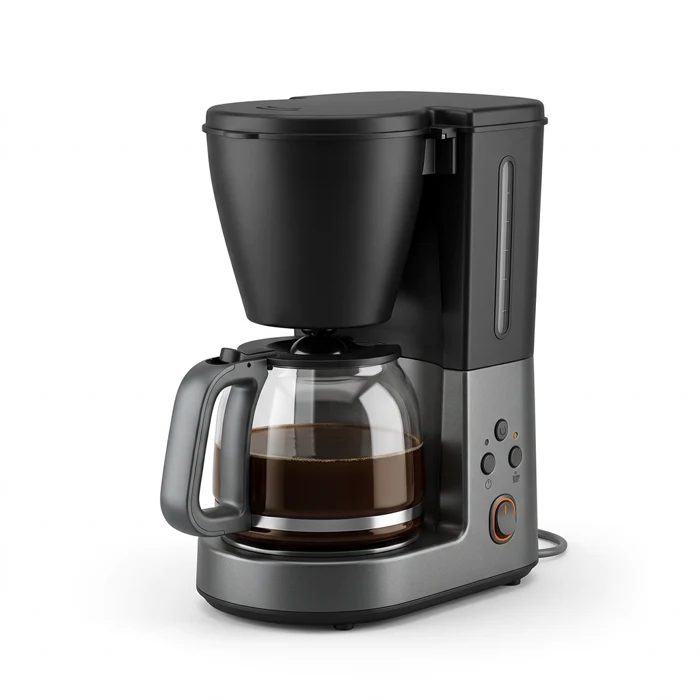
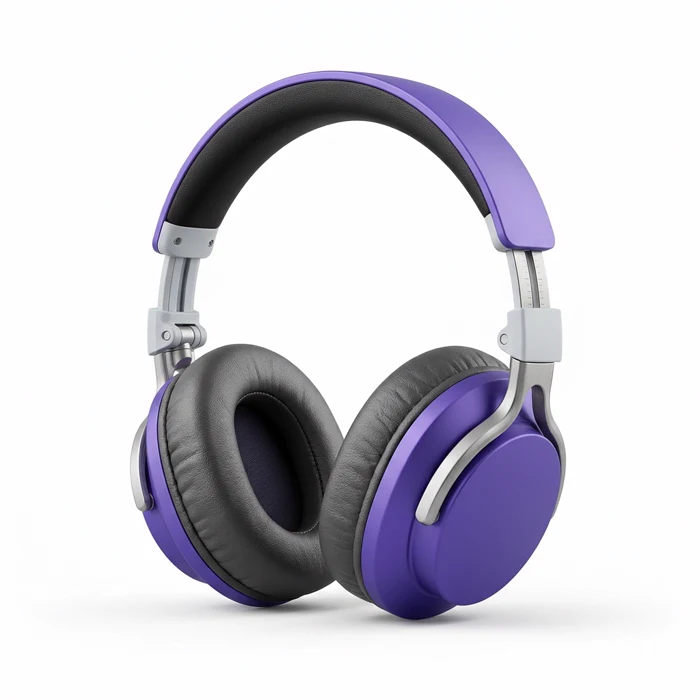
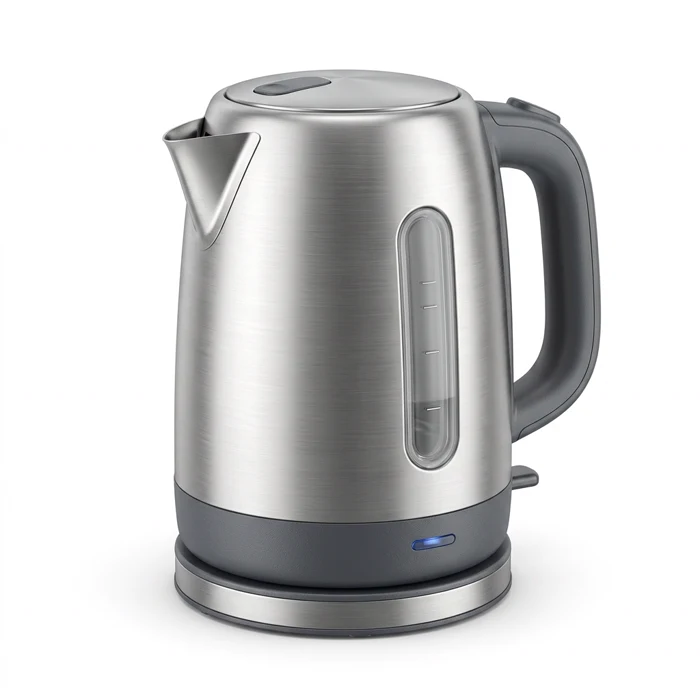
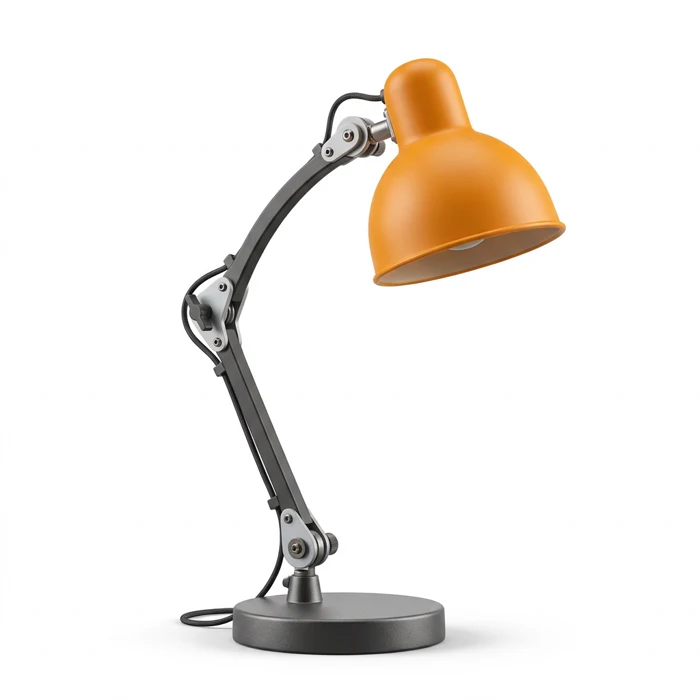
Read each text. Then choose the letter of the picture that matches it. Two pictures do not match any text.
A. I like black with no sugar, and I drink it every morning at seven. I hate it when the beans are not ground well, or when the water takes too long to heat. Still, the smell of fresh coffee is the best part of my day. The machine doesn't always work well, though.
B. I read on the train every day, and I hardly carry books anymore. My eyes don't get tired in the sunshine, which is great on holidays. I charge it on Sunday night and forget about it for the rest of the week. I still prefer paper for cookbooks, though.
C. My alarm goes off at 6:30, but I never look at my phone to check the time. Every evening I see how many steps I walked, and I get a little buzz when I sit too long. I don't take it off, not even in the shower.
D. I put them on before I leave home, and the bus becomes quiet for me. I never need a cable, but I forget to charge them about once a week. My friends say my music is too loud.


Exercise 4 — True or false?
Read each statement. Choose True or False. After you answer, read the reason.
1. Present simple helps us build discipline.
2. We use present simple for a habit we started only last week.
3. Present simple is the right choice to say what is happening right now.
4. We can use present simple for a fixed timetable, like a train or a film.
5. If a plan depends on other people's decisions, like meeting a friend, we use present simple to describe it.
6. Present simple can describe how often something happens, even when the frequency is unexpected.
Exercise 5 — What do they do?
Each picture shows a person at work. Write the verb that completes the sentence.