Dear Editor,
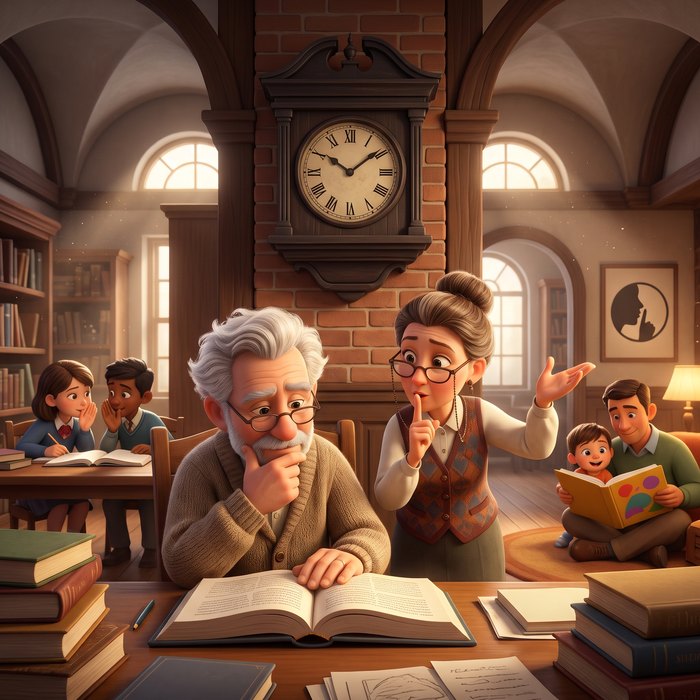
The council's decision to make every room in the central library a silent zone has been praised as a victory for concentration. As someone who has used the building for nearly twenty years, I find this celebration premature.
I value quiet as much as anyone who reads, studies, or works there. The upper floor has long offered a peaceful place to prepare for exams, consult reference books, and escape the noise of the street. I would oppose any proposal to turn that space into a café or a general meeting hall. But the council has not simply protected a quiet area. It has extended silence to the children's corner, the language-learning tables, and the room where volunteers help residents complete online forms.
Last week, I watched a volunteer explain a benefits application to an older visitor. The visitor repeatedly leaned closer, afraid to speak at an ordinary volume because a sign warned against conversation. The volunteer eventually moved the session into the entrance hall, where people were coming and going. The library had become quieter, but the assistance it offered had become harder to access.
The same policy affects parents who read aloud to young children and newcomers who practise speaking a language together. These activities are not interruptions to the library's purpose. They are part of it. A public library is not merely a warehouse for silent reading; it is also a place where knowledge is shared and confidence can grow.
The council argues that separate zones would be difficult to supervise. That may be true, but administrative convenience is not the same as a good public service. Clear signs, designated quiet rooms, and scheduled group sessions would be more demanding to organise than a single rule. They would also serve more people.
I am not asking the council to abandon silence. I am asking it to stop treating silence as the only evidence that a library is working. A building can be perfectly quiet while failing to help the people who need it most.
Yours faithfully, Margaret Ellis
Fiction note: All people, places and events in this text are fictional.