Longer, more complex texts — factual and literary — where style and nuance start to matter. You'll practice specialised vocabulary and more demanding structures.
Not sure about your level? Take our level test →
Topic: How a single narrative pattern — the "monomyth" — appears in myths and stories from cultures that never influenced one another.
Topic: A dry, funny review of a smart mug that needs an app to keep coffee warm.
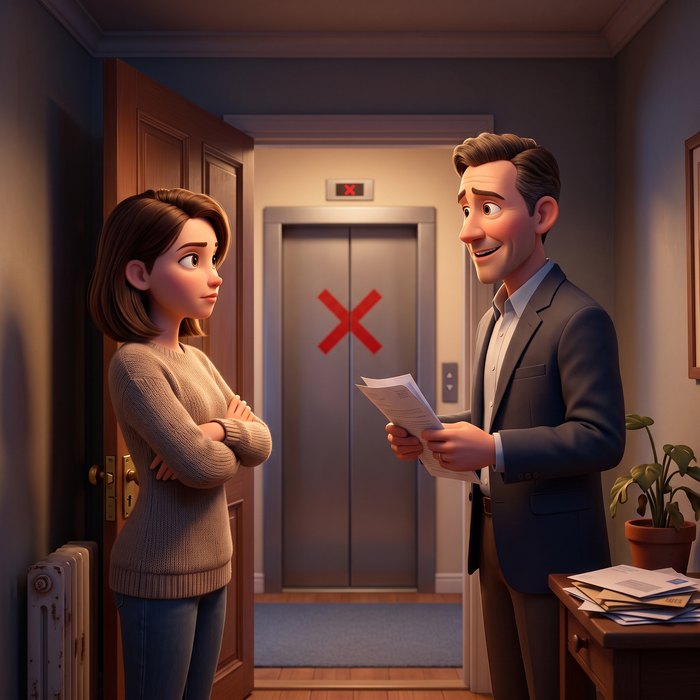
Topic: A tenant answers a twelve percent rent rise, politely and without giving way.
Topic: A witty column asks what happens when the wish to improve every minute turns ordinary pleasure into a performance target.
Topic: A company board looks for gentle words to describe bad numbers, and a note-taker listens.
Topic: An essay argues that nostalgia is no longer a feeling but a product, and asks who profits from our memories.
Topic: A newspaper horoscope gives star-sign advice to managers, and every prediction sounds uncomfortably familiar.
Topic: A librarian says goodbye after forty years with a speech about attention, a boy with an atlas and a plan for a café.
Topic: A politician asks a ghostwriter to make his childhood sound humble, and the ghostwriter asks one inconvenient question.
Topic: A morning in a house where every object sends a notification, and where silence becomes a luxury.
Topic: A seventy-four-year-old reader answers the council's reasons for removing the benches from the high street.
Topic: A writer translates polite office phrases into what they really mean and asks whether too much politeness is a problem.
Topic: A critic who wrote a cruel review meets the author at a book party, and the conversation goes in an unexpected direction.
Topic: A city lets residents rename streets after ordinary people, and learns that a name is a form of memory.
Topic: Three neighbours discover a huge metal sculpture in their shared garden and cannot decide whether it is art or a mistake.
Topic: An essay explains why the phrase "no offence, but..." almost always comes before an offence.
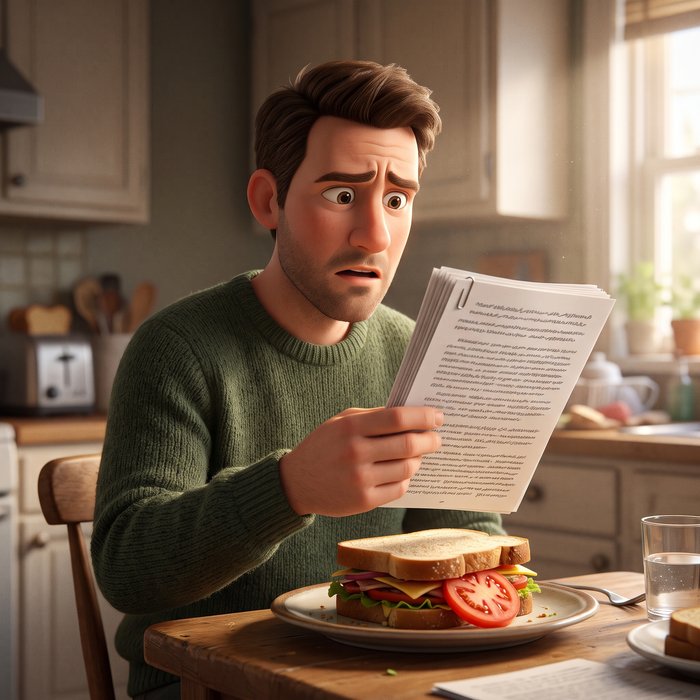
Topic: A sandwich arrives with legal terms and conditions, and the legal language is funnier than the lunch.
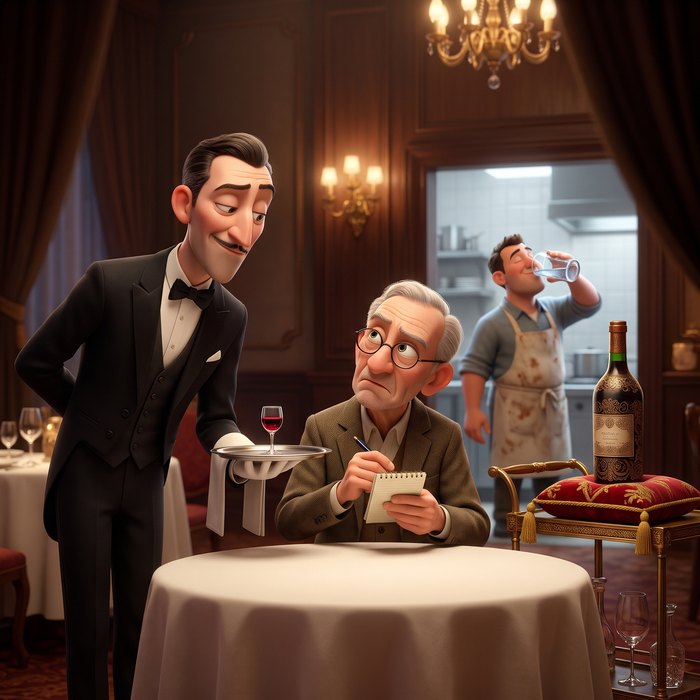
Topic: A famous critic enters a restaurant in secret, and a very calm waiter knows exactly who he is.
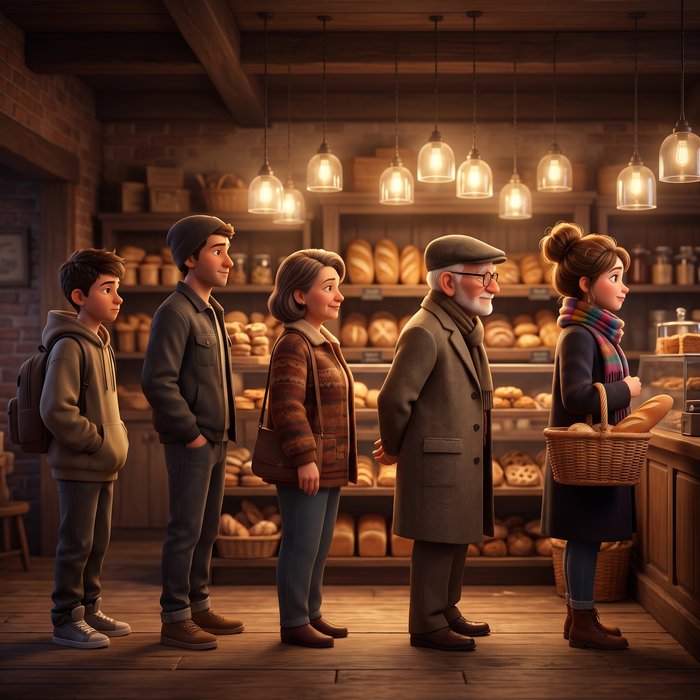
Topic: A column argues that the queue is a small school of justice, and that the digital age is quietly destroying it.
Topic: A grandson tries to edit his grandmother's memoir and learns what the book is really about.
Topic: A sharp opinion column examines how constant busyness became a social status symbol, even when it produces very little.
Topic: After confidential details from a board meeting appear outside the company, directors debate how the information escaped and what to do next.
Topic: An essay explores why people feel nostalgic for imagined pasts shaped by films, family stories, and idealised cultural memories.
Topic: A satirical horoscope predicts the cosmic workplace challenges awaiting interns, from mysterious spreadsheets to meetings that could have been emails.
Topic: An outgoing CEO leaves a candid final memo about company culture, the difference between measurable success and meaningful progress, and the work still unfinished.
Topic: A ghostwriter tries to draw honest stories from a celebrity chef who wants a cookbook full of dramatic anecdotes but prefers to control the truth.
Topic: A satirical look at a wellness app that sends notifications about emotions, turning ordinary feelings into tasks to manage and measure.
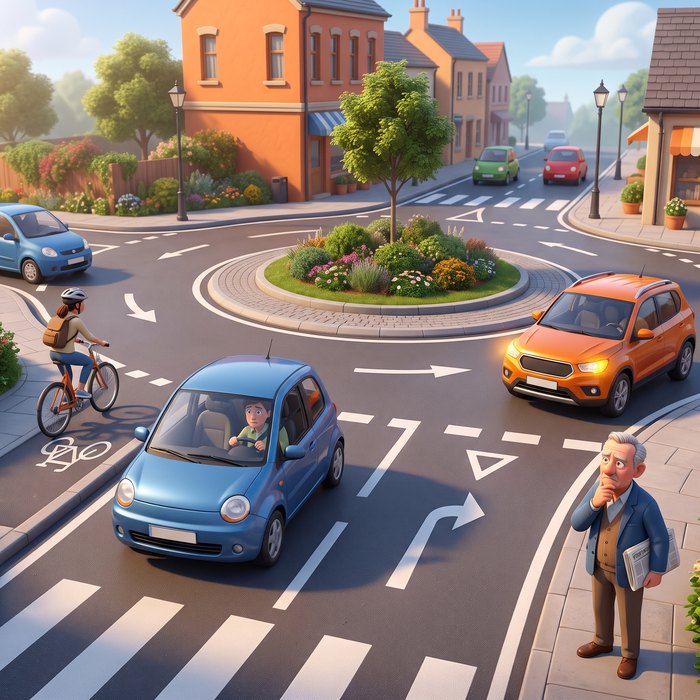
Topic: A resident writes to the local newspaper arguing that a new roundabout has made a familiar junction more confusing rather than safer.
Topic: An opinion writer argues that the demand to be completely sincere can turn ordinary communication into an exhausting performance.
Topic: A literary critic and a debut novelist disagree about whether a first novel should be judged by its intentions or its results.
Topic: An essay explores how renumbering postal codes unexpectedly changes residents' sense of local identity.
Topic: Residents debate whether a striking new mural celebrates their neighbourhood or imposes someone else's idea of its identity.
Topic: An essay examines how a polite phrase can announce disagreement while pretending to soften it.
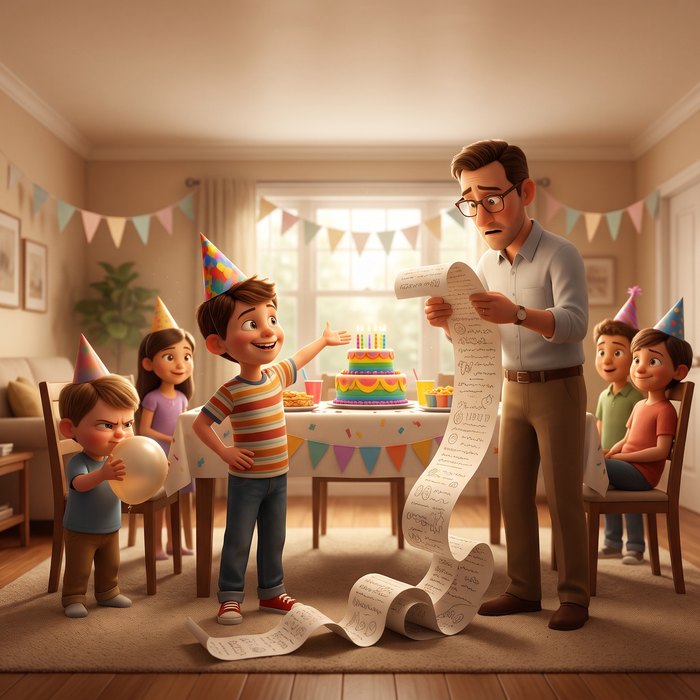
Topic: A satirical set of party rules treats a child's birthday celebration like a legally complex commercial agreement.
Topic: A sommelier challenges a food critic who mistakes expensive wine for proof of excellent taste.
Topic: A reflective column explores how waiting rooms expose our relationship with time, control, and the uncomfortable art of doing nothing.
Topic: A writer confronts a rejection letter and discovers that revising a manuscript may require more than correcting the publisher's mistakes.
Topic: A newspaper-style column questions the pressure to turn every spare hour into a source of income.
Topic: A tenant receives an unusually sincere apology from a landlord and questions what prompted the change.
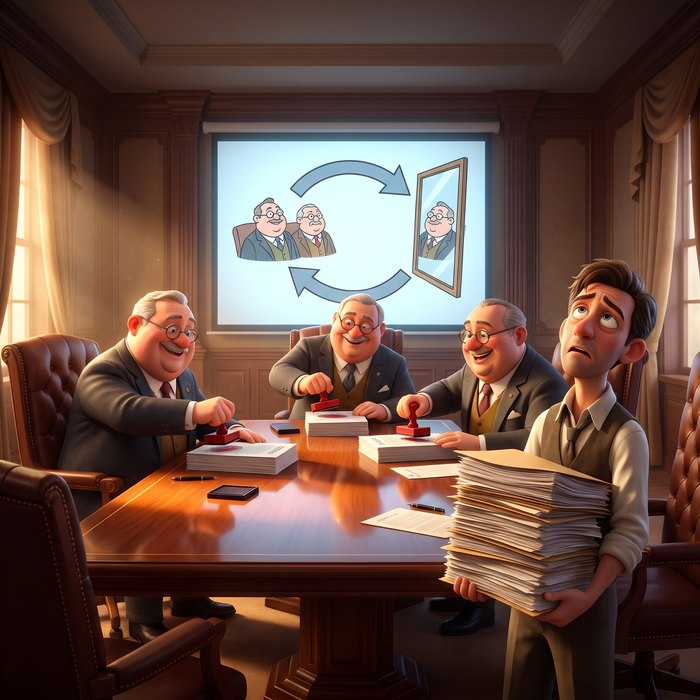
Topic: A public institution's attempt at independent oversight turns into a circular exercise in procedural approval.
Topic: A resident challenges a library's new silence policy and questions what a public library is meant to provide.
Topic: A retiring teacher gives a final classroom speech about the value of questions, mistakes, and learning beyond exams.
Topic: An essay on how public apologies can sound sincere while carefully avoiding responsibility.
Topic: A literary magazine editor questions a celebrated reviewer whose opinions often arrive before the final chapter.
Topic: An office tries to make meetings more productive by changing their names, only to discover that labels cannot do the work.
Topic: A satirical horoscope predicts the chaotic realities of new parenthood with cosmic confidence and very little practical wisdom.
Topic: A sculptor negotiates with city officials over a public artwork that challenges their idea of a civic monument.
Topic: A landlord's accountant explains the figures behind a rent increase, revealing the limits of treating housing as a simple calculation.
Topic: A personal column examines when simplifying a home becomes another social performance.
Topic: A novelist discovers that an editor's polished ending has changed the meaning of her story.